By Shahid Ghumman
Moscow
Pakistan and Russia have reaffirmed their commitment to expanding bilateral cooperation in trade, energy, agriculture, education, investment, and people-to-people exchanges, emphasizing the need to transform the growing political goodwill between the two countries into a strong and practical economic partnership.
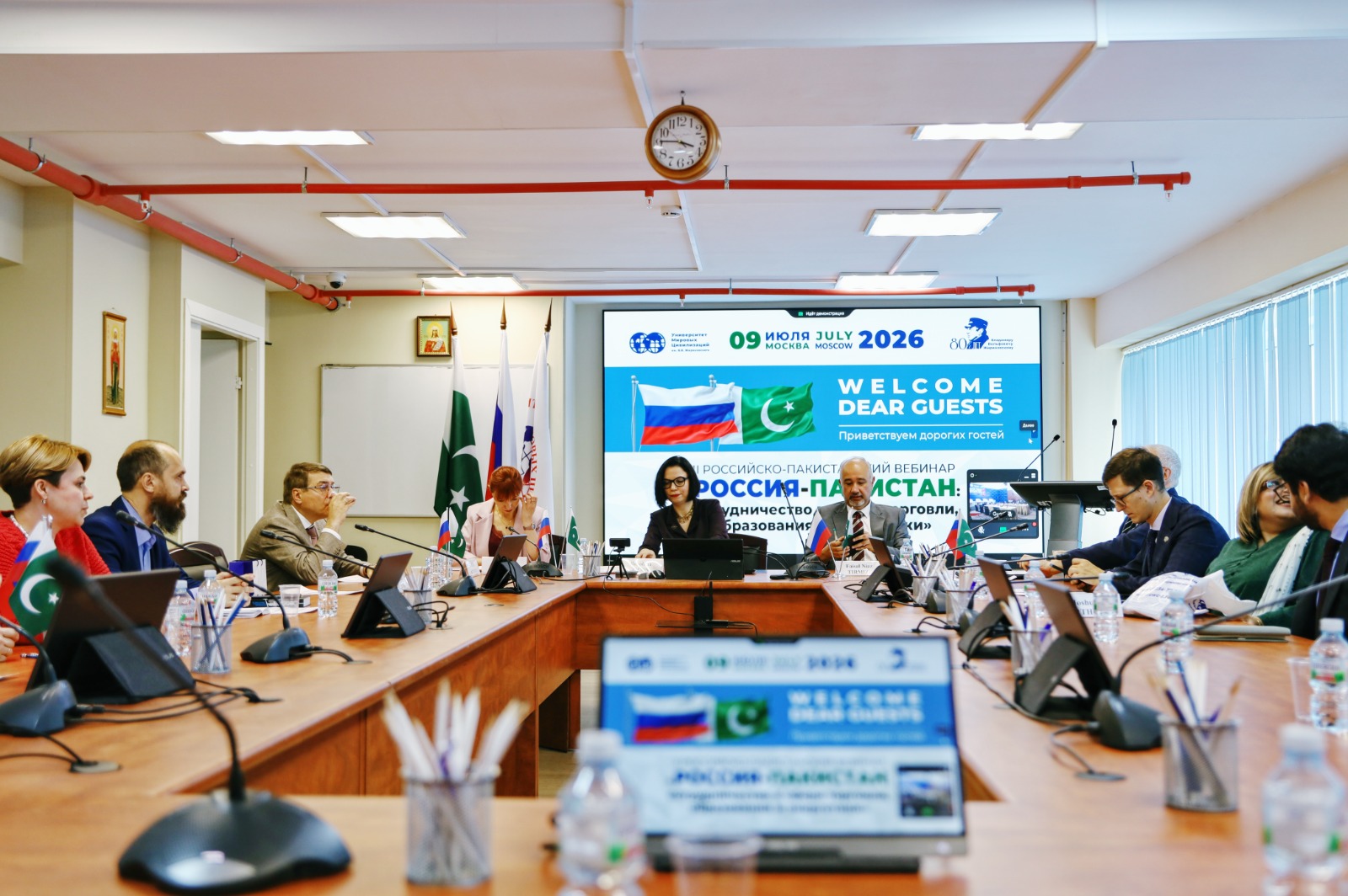
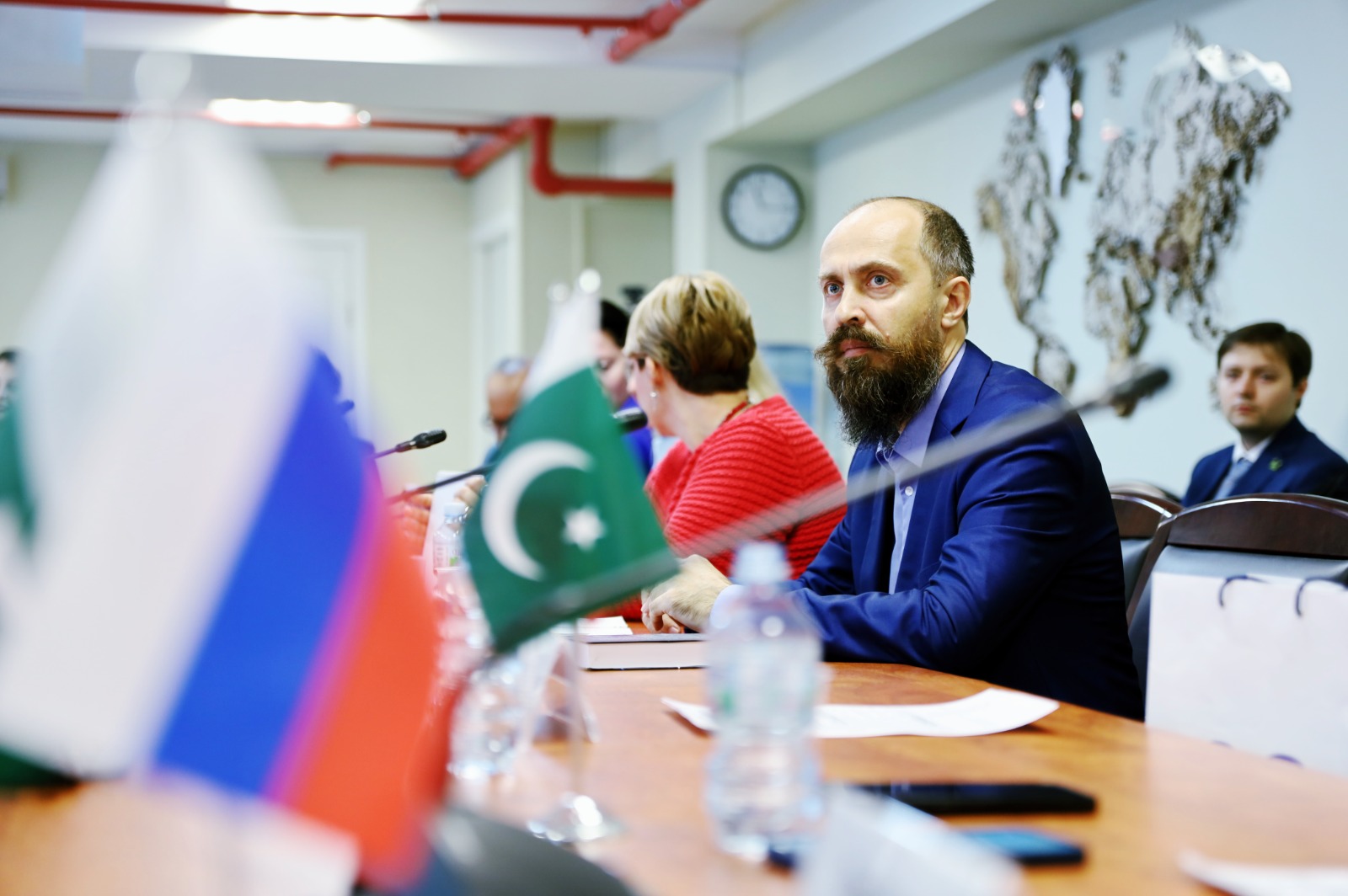
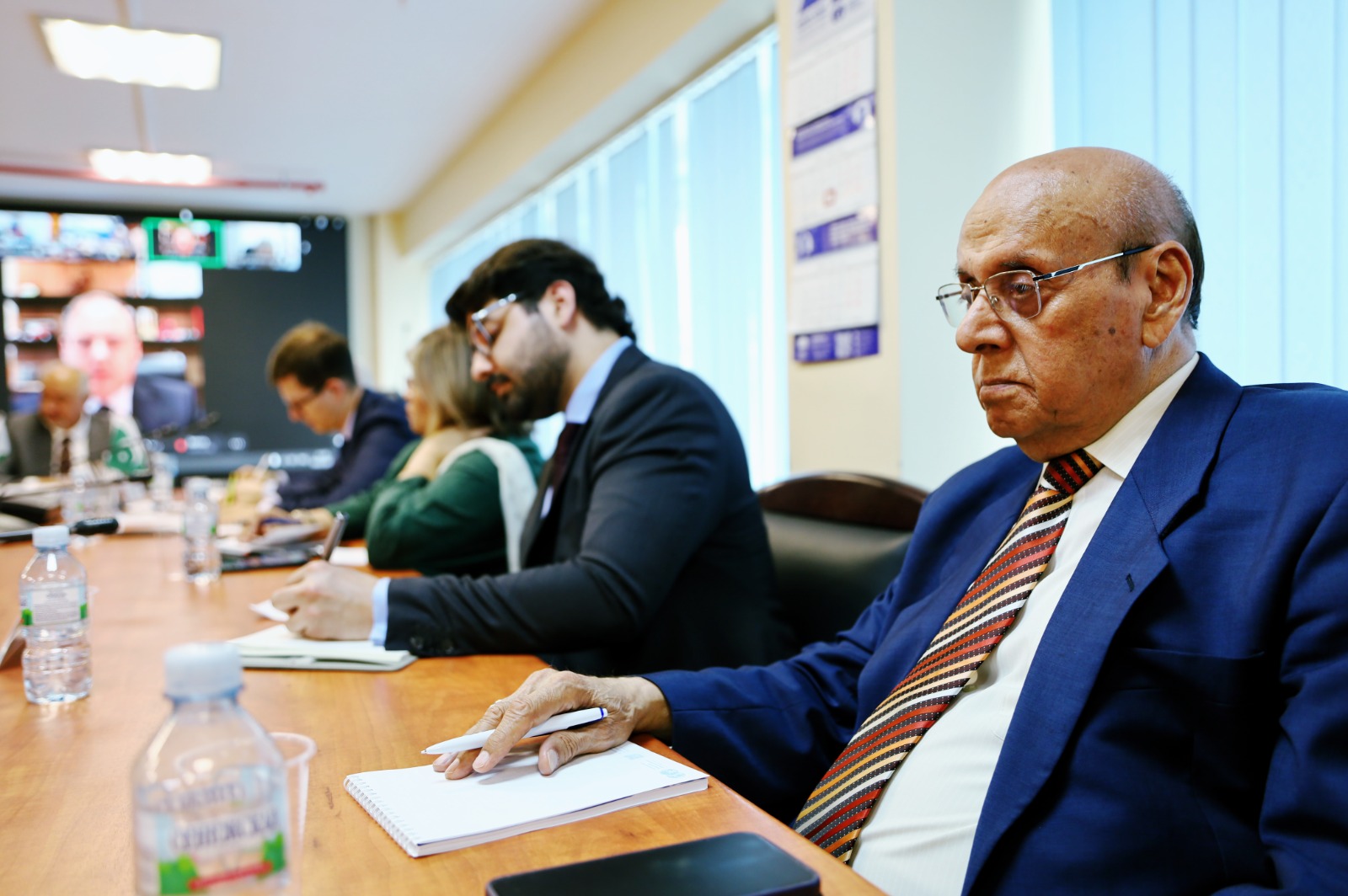
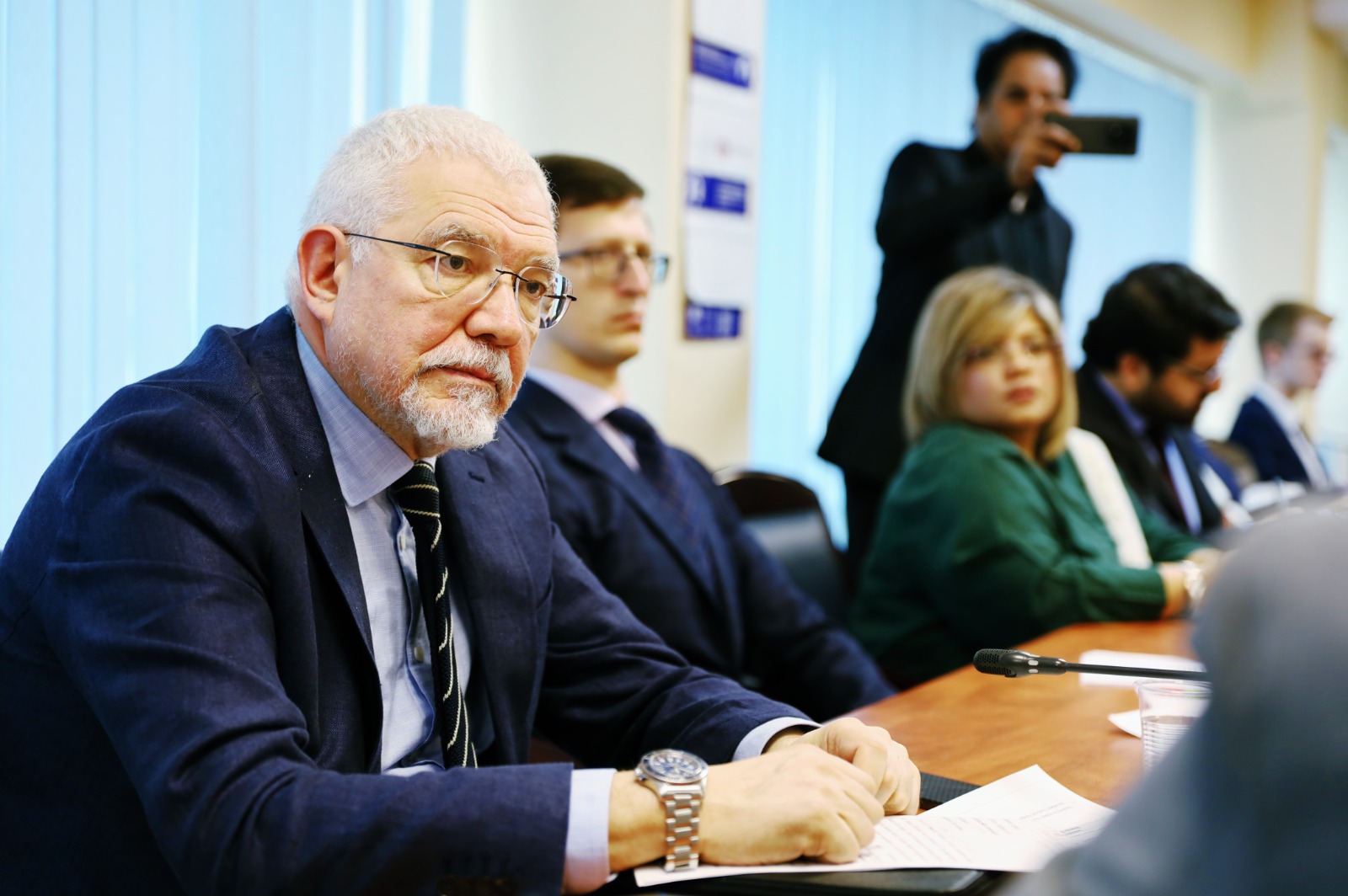
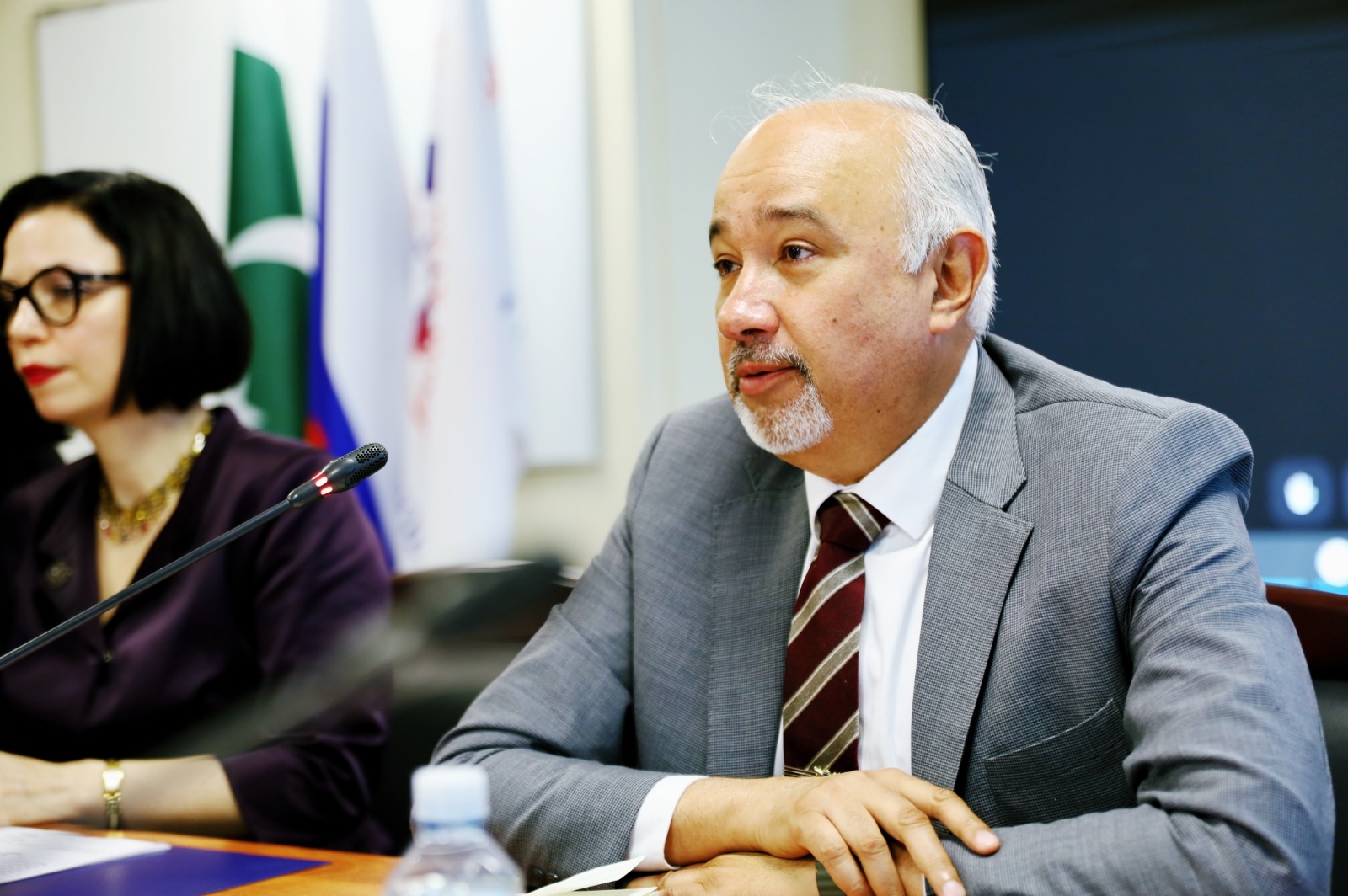
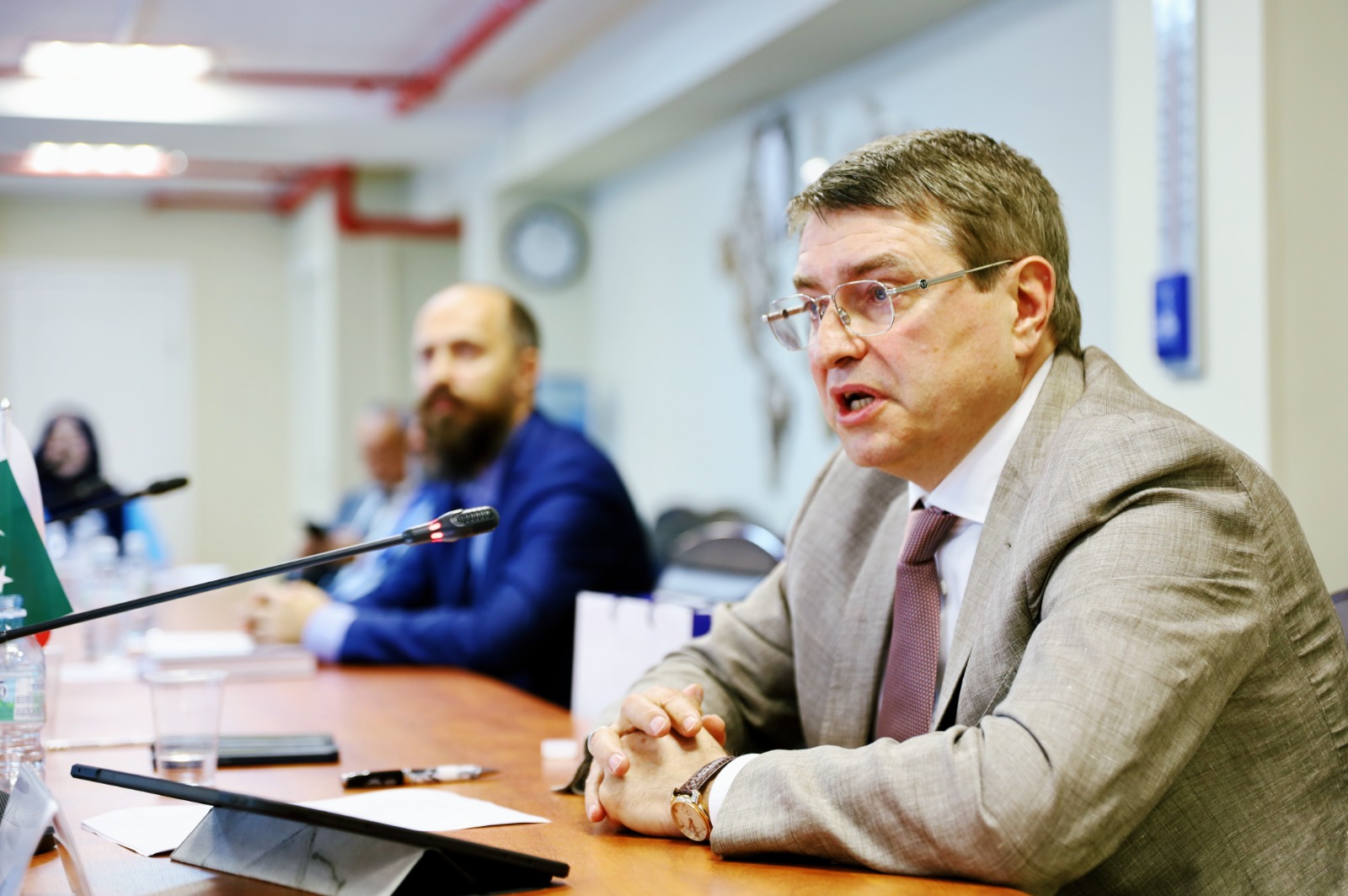
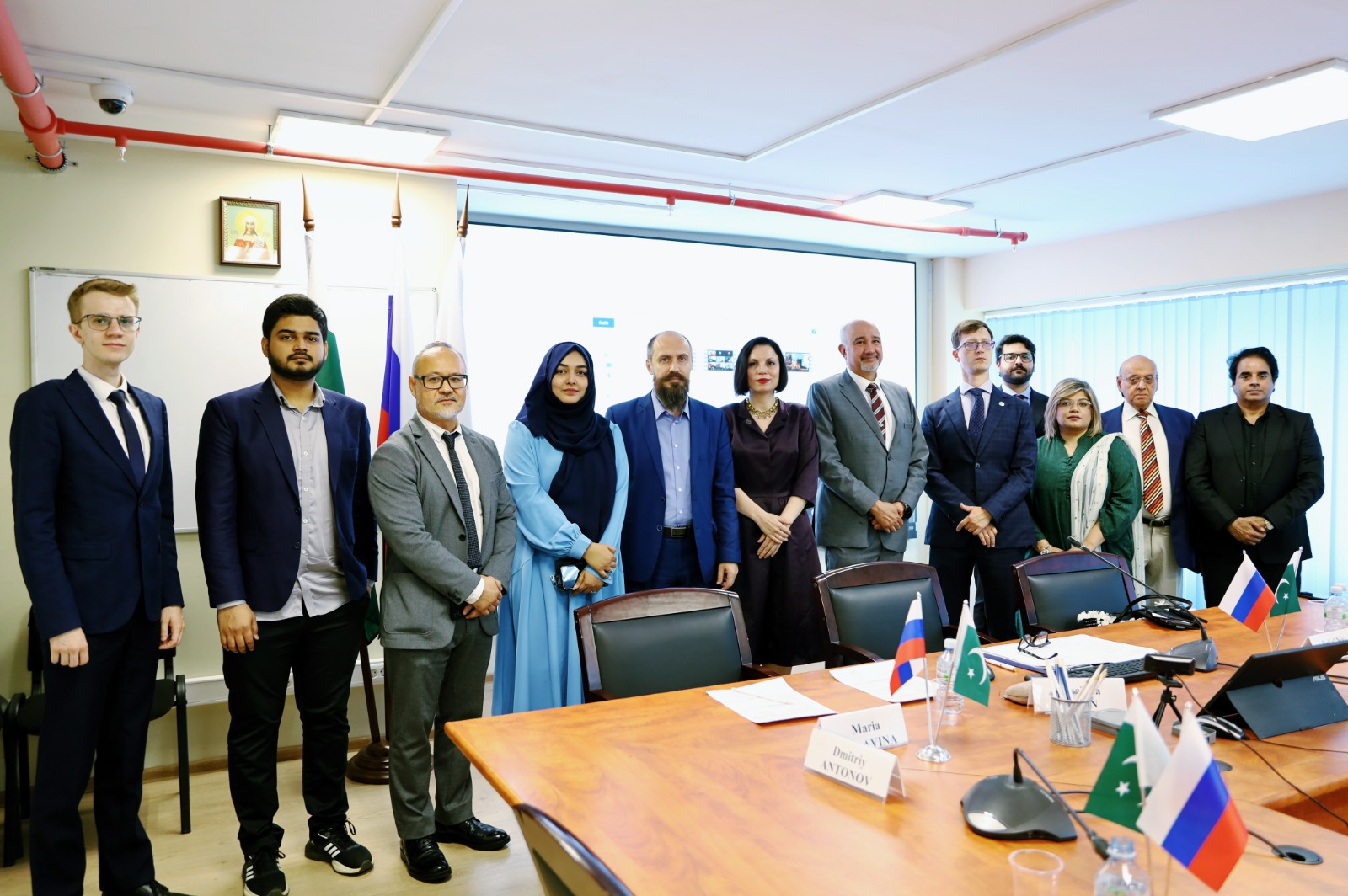
The consensus emerged during a high-level webinar titled “Pakistan–Russia: Strengthening Trade, Education & Energy Collaboration,” which brought together senior government officials, diplomats, business leaders, academics, and policy experts from both countries.
Addressing the webinar, Federal Minister for Energy Sardar Awais Ahmed Khan Leghari said Pakistan and Russia possess enormous untapped potential in trade, energy, and connectivity. He stressed that improved logistics, transportation, and economic linkages could significantly increase bilateral trade. He noted that relations between the two countries have steadily strengthened over the past two decades on the basis of mutual trust and shared interests, adding that Russia could become a key partner for Pakistan in the fields of energy, infrastructure, and investment.
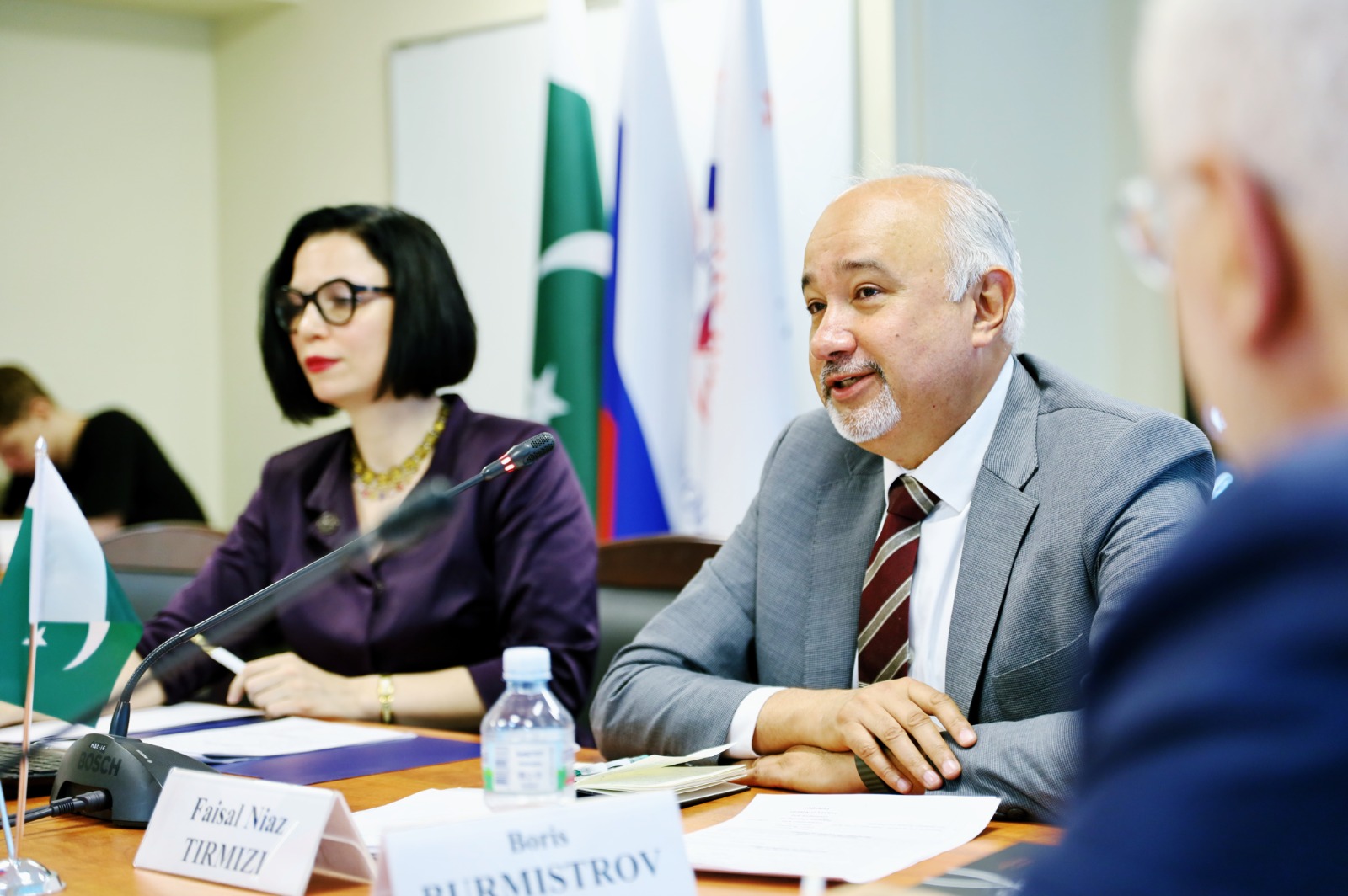
Pakistan’s Ambassador to the Russian Federation, Faisal Niaz Tirmizi, reaffirmed Pakistan’s commitment to promoting investment, trade, and stronger commercial ties. He described student exchanges as the foundation of long-term bilateral relations and said that improved visa facilitation would boost tourism, business connectivity, and economic cooperation. He also reiterated that the Embassy of Pakistan in Moscow would continue working closely with Russian government institutions, universities, and the business community to deepen bilateral economic engagement.
The webinar also featured keynote remarks by Boris Burmistrov, Deputy Director of the Second Asia Department of the Russian Ministry of Foreign Affairs, and Alexey Gruzdev, Deputy Minister of Industry and Trade of the Russian Federation. Both speakers highlighted the vast potential for expanding economic cooperation and emphasized the importance of strengthening industrial collaboration, payment mechanisms, logistics, and business-to-business partnerships.
Qazi Khalil Ullah, Executive Director of the Centre for International Strategic Studies (CISS) Sindh, said the energy sector has the potential to become a cornerstone of Pakistan-Russia relations. He called for expanding regional energy cooperation and exploring Russia’s participation in major regional energy initiatives.
Speaking on business cooperation, Dmitry Antonov stressed the importance of enhancing maritime trade, cooperation between chambers of commerce, agricultural collaboration, logistics, and engagement with the Eurasian Economic Union. He also underlined the need for greater involvement of the private sector in strengthening bilateral economic ties.
Addressing the education session, Dr. Asma Naveed said the Russian language could serve as a vital bridge for expanding cooperation between the two countries. She called for promoting Russian language education, joint research initiatives, and greater exchanges of students and faculty members.
Dr. Svetlana Minyurova of the Russian Academy of Education highlighted the importance of expanding cooperation in educational research, teacher training, digital education, and joint scientific projects, saying these areas offer significant opportunities for long-term academic collaboration.
In her concluding remarks, Russian geopolitical expert Dr. Roxolana Zigon said trust between Pakistan and Russia has grown considerably in recent years. She emphasized that stronger public diplomacy, academic cooperation, research partnerships, business engagement, and youth exchanges would further strengthen bilateral relations. She described education and language as the foundation of a sustainable long-term partnership between the two countries.
At the conclusion of the webinar, the participants reaffirmed their commitment to transforming the growing political understanding between Pakistan and Russia into tangible cooperation in trade, energy, education, science, investment, and people-to-people exchanges, paving the way for a stronger and more comprehensive bilateral partnership.
About The Author