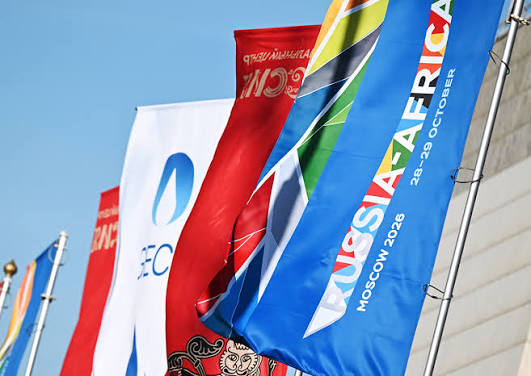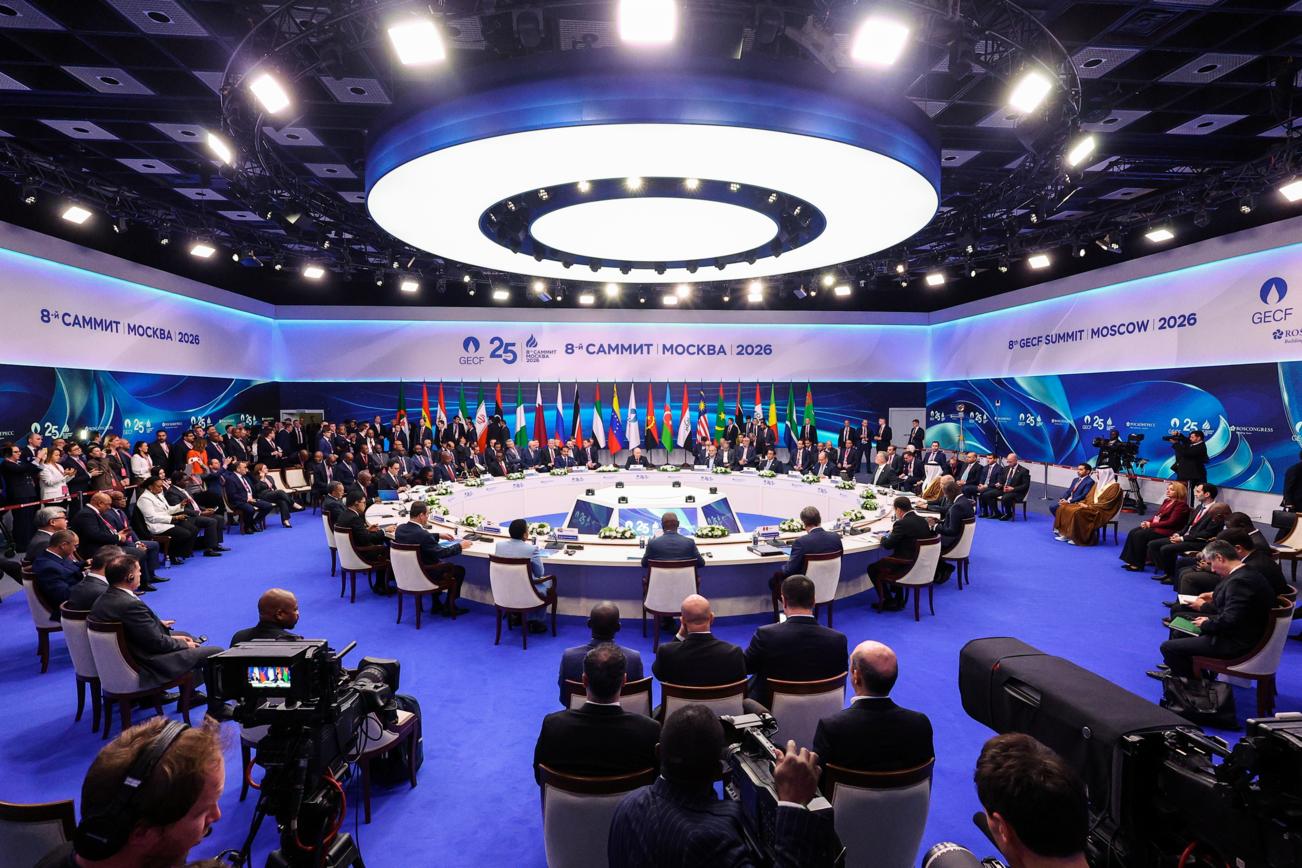
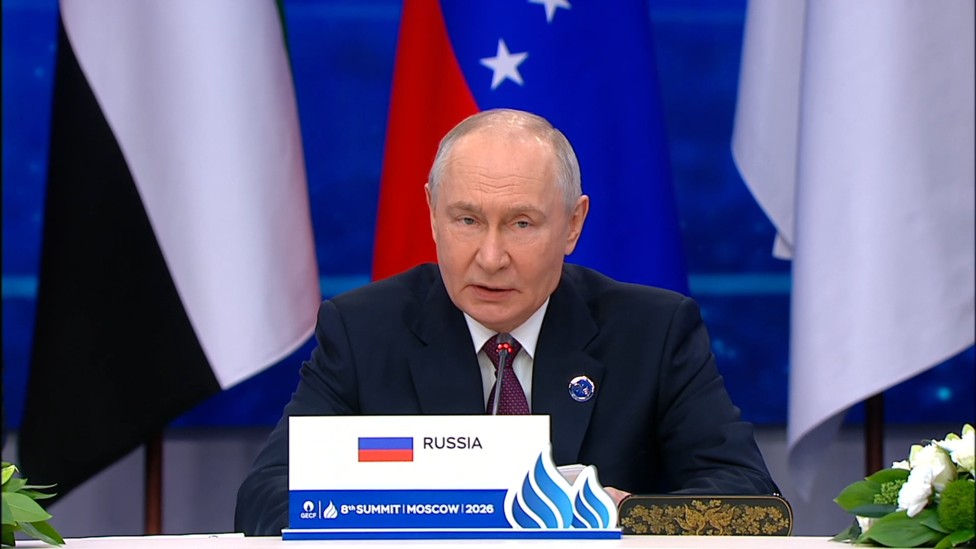
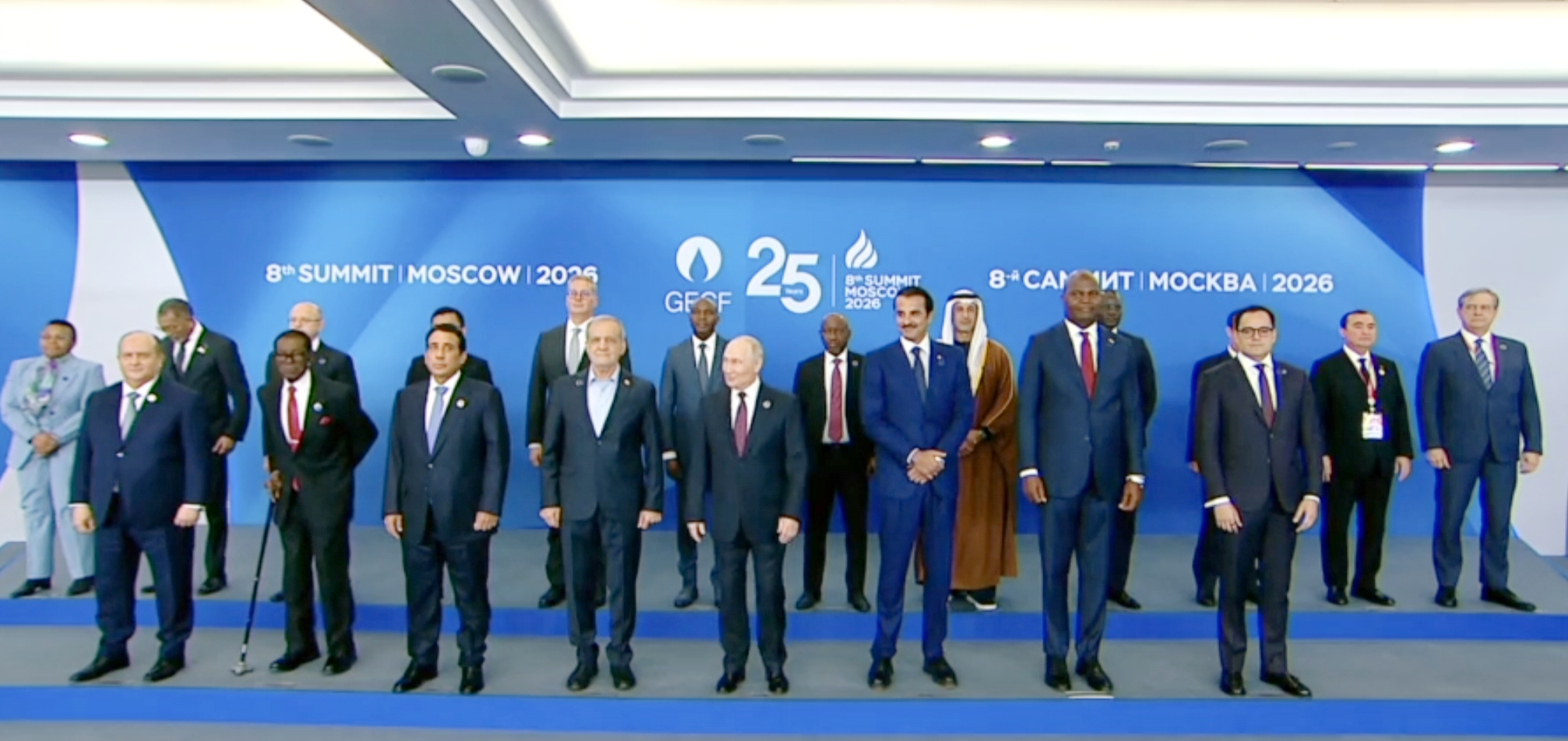
MOSCOW (Shahid Ghumman): The eighth summit of the Gas Exporting Countries Forum (GECF), the organisation of gas-exporting countries, was held on 27 October in the Russian capital Moscow, with Russian President Vladimir Putin, Iranian President Masoud Pezeshkian, the Emir of Qatar Sheikh Tamim bin Hamad Al Thani and heads of state and high-level delegations from other countries taking part. Global energy security, the reliable supply of natural gas, stability in the international gas market and increasing cooperation among gas-exporting countries were discussed at the summit.
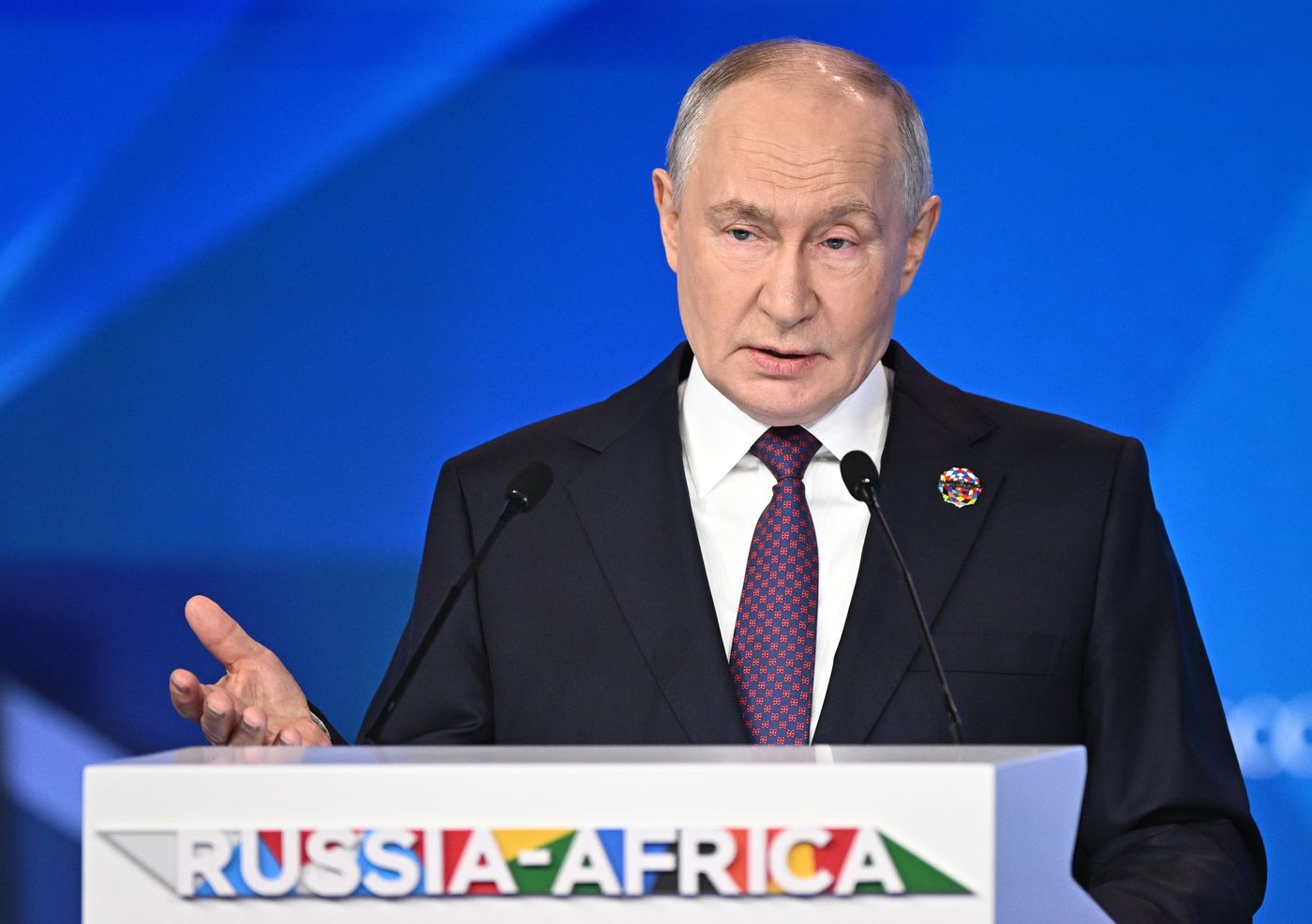
The summit, held at the World Trade Center in Moscow, was chaired by President Putin. Particular attention was given to the importance of natural gas in the global economy, investment in the energy sector, new technology and the problems facing international trade.
In his opening address to the summit, President Putin highlighted the importance of natural gas for global economic development and the geopolitical issues facing the gas industry. According to the Russian leadership, natural gas is an important means of meeting the world’s energy needs, and its stable supply is essential for economic development.
The Russian government’s position is that the global gas industry faces problems such as trade sanctions, threats to energy infrastructure and uncertainty arising in international markets.
Russia has also described the explosions on the Nord Stream gas pipelines and the Western sanctions imposed on the energy industry as major challenges for the global gas market.
Russia ranks first in the world in terms of proven natural gas reserves and second in terms of gas production. Given its position in the global gas market, Moscow attaches importance to international cooperation in the energy sector and stability in gas supplies.
World leaders attend
Iranian President Masoud Pezeshkian, the Emir of Qatar Sheikh Tamim bin Hamad Al Thani, Equatorial Guinea President Teodoro Obiang Nguema Mbasogo, Mozambique President Daniel Chapo and Libyan Presidential Council Chairman Mohamed al-Menfi attended the summit.
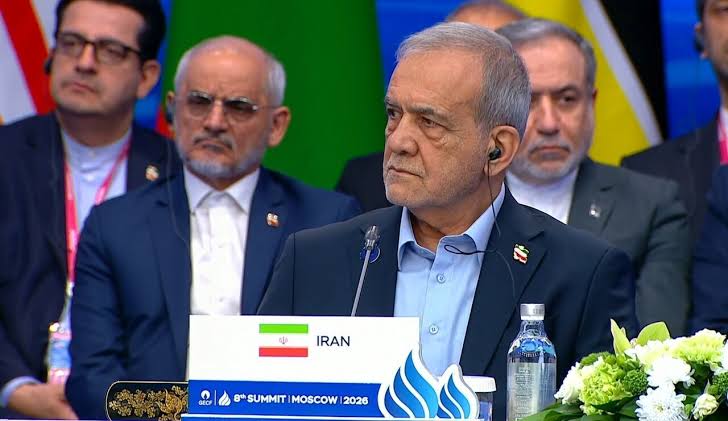
The participation of Venezuela’s acting President Delcy Rodriguez through a video message was also part of the summit programme, while Algeria was represented at prime minister level. The delegations of the other member countries were led by the relevant ministers and senior officials.
The organisation’s Secretary-General, Dr Philip Mshelbila, also attended the summit.
Addresses by representatives of the organisation’s observer countries, including Mozambique, Angola, Azerbaijan, Iraq, Malaysia and Senegal, were also part of the summit programme, while Turkmenistan and South Africa were invited as special guest countries.
President Putin’s meetings with world leaders
On the sidelines of the summit, a programme of bilateral meetings between President Putin and five foreign leaders was also arranged.
They included Iranian President Masoud Pezeshkian, the Emir of Qatar Sheikh Tamim bin Hamad Al Thani, Mozambique President Daniel Chapo, Equatorial Guinea President Teodoro Obiang Nguema Mbasogo and Libyan Presidential Council Chairman Mohamed al-Menfi.
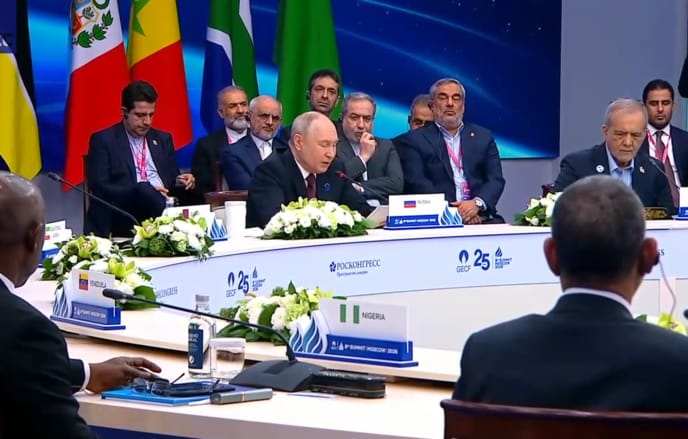
The agenda of these meetings included bilateral relations, cooperation in the energy sector and matters of mutual interest.
Organisation’s major share of global gas reserves
The 12 permanent member countries of the organisation of gas-exporting countries are Russia, Iran, Qatar, Algeria, the United Arab Emirates, Egypt, Libya, Nigeria, Venezuela, Bolivia, Equatorial Guinea and Trinidad and Tobago.
The organisation’s member countries hold around 70 percent of the world’s proven natural gas reserves, while their share of global gas production is 38 percent.
The share of the organisation’s member countries in global gas exports is reported to be around 42 percent, and around 47 percent in liquefied natural gas exports.
Global natural gas demand forecast to rise
According to Russian estimates presented in connection with the summit, global annual demand for natural gas could rise from the current around 4.2 trillion cubic metres to 5.4 trillion cubic metres by 2055.
Global liquefied natural gas exports are also expected to reach 650 million tonnes in the next five to ten years, which would be around 50 percent more than the 2025 level.
Moscow Declaration and cooperation in the energy sector
The summit’s agenda also included the adoption of a Moscow Declaration, which included proposals to highlight the importance of gas-exporting countries for global energy security and to increase cooperation for the reliable supply of natural gas.
The proposed declaration gave importance to matters such as diversification of gas trade routes, the use of modern technology, reducing environmental impact, fair prices for natural gas and limiting unusual fluctuations in prices in the global market.
Russia hosts the summit for the second time
The eighth summit was held in Moscow on the occasion of the completion of 25 years of the founding of the organisation of gas-exporting countries and cooperation.
Russia had previously hosted the organisation’s second summit in 2013 as well.
The organisation’s aim is to promote the use of natural gas in the global economy, to review the state of gas markets and future trends, to exchange experiences and to strengthen technical and economic cooperation among member countries.
About The Author