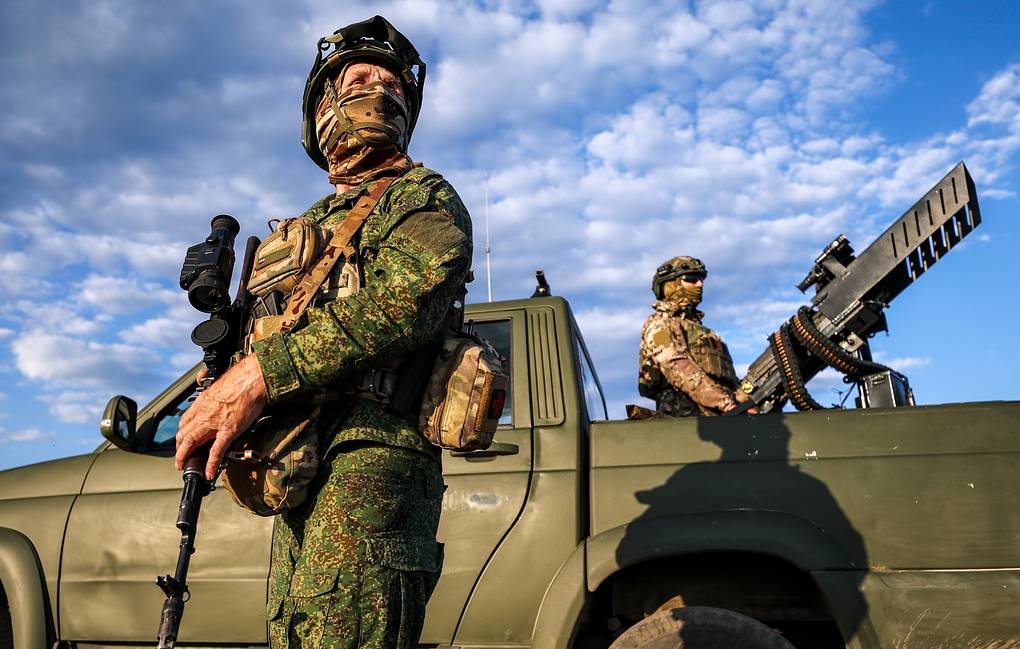
Moscow (Voice of Russia): The Kremlin has warned that the possible deployment of a NATO military base and nuclear weapons in Lithuania would lead to another significant escalation of tensions in Europe, in response to which Russia will take all necessary measures to ensure its security.
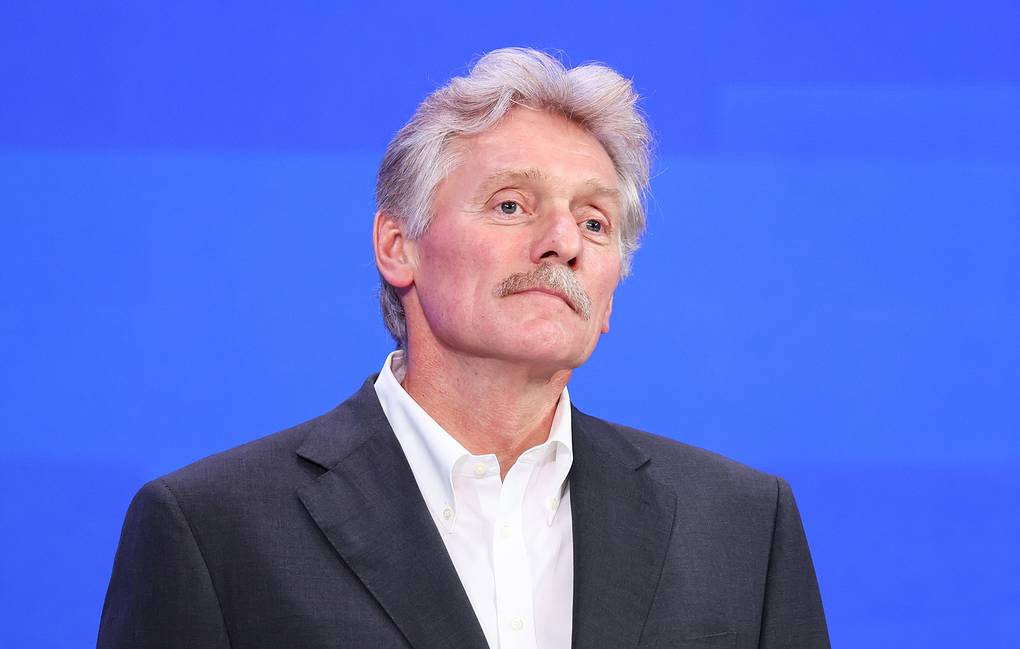
Kremlin spokesman Dmitry Peskov told reporters that the deployment of a NATO base or nuclear weapons in Lithuania would not help stability or the predictability of the situation on the European continent.
He said that on the contrary, such a development would lead to another serious escalation of tensions and Russia would be forced to take all necessary countermeasures to guarantee its national security.
On Russian President Vladimir Putin’s annual press conference and the direct question-and-answer program with the public, Peskov said both programs will be held jointly this year as well.
According to him, like last year and previous years, President Putin’s annual press conference and the “Direct Line” with public questions will be held as a single event, while the Kremlin has begun preparations for the program.
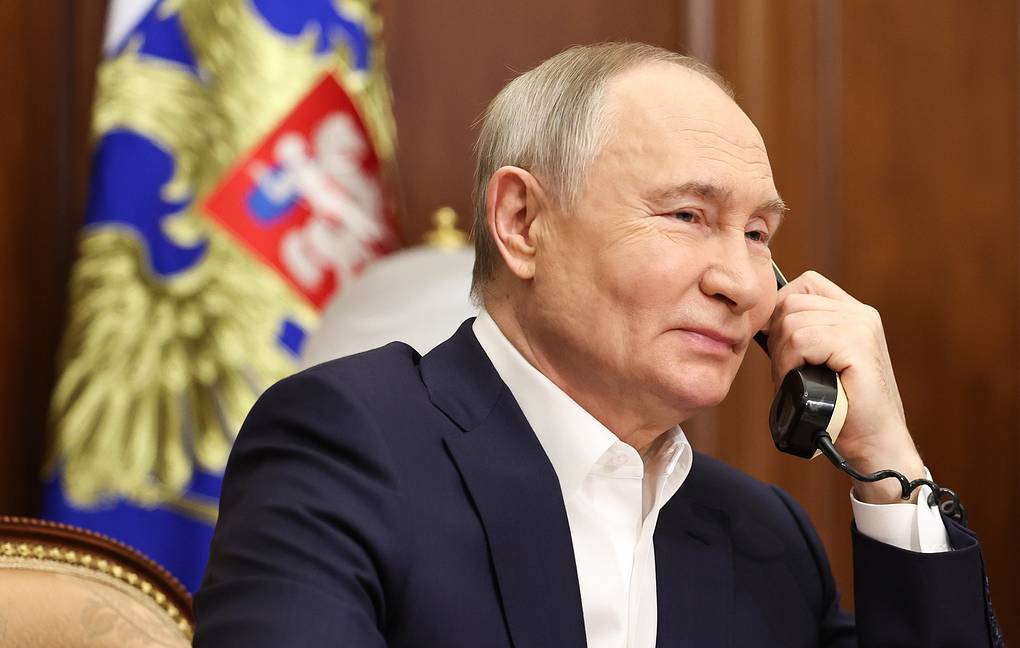
On President Putin’s 74th birthday, the Kremlin spokesman said the Russian president will hold several international telephone contacts and other engagements on October 7.
Peskov said that for President Putin, his birthday rarely remains entirely limited to celebrations. The Russian president’s scheduled international contacts will also include conversations on the occasion of his birthday.
On the case of pneumonia of unknown nature in the Irkutsk region, Peskov said Russia’s health and sanitary watchdog Rospotrebnadzor is issuing detailed information about the epidemiological situation in the region.
On a question about US President Donald Trump’s offer to provide assistance to Russia if needed, the Kremlin spokesman said it is a good thing to offer mutual assistance to each other.
Peskov dismissed Germany’s accusation that Russia is allegedly waging a “shadow war” as completely unfounded and lacking solid arguments.
He said Russia has heard such accusations many times in the past. According to him, such rhetoric is a media tactic aimed at justifying increased military spending by creating the image of an imaginary enemy.
About The Author