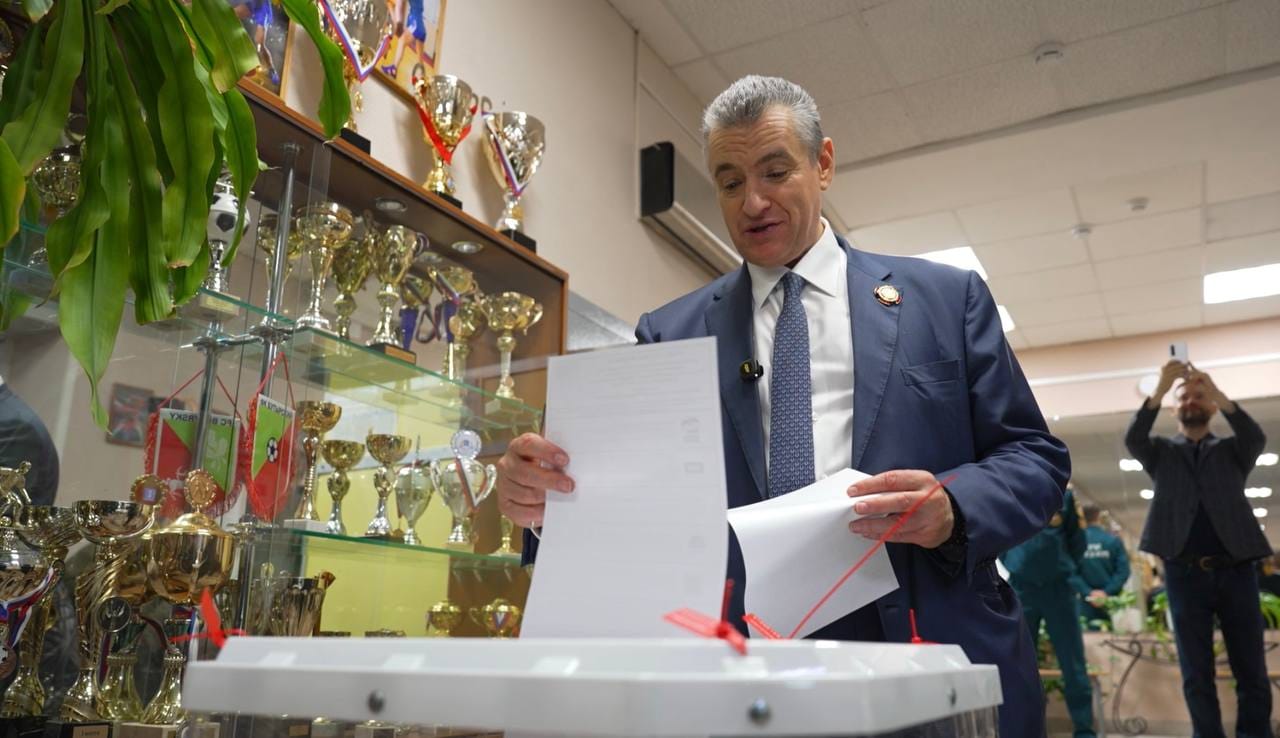
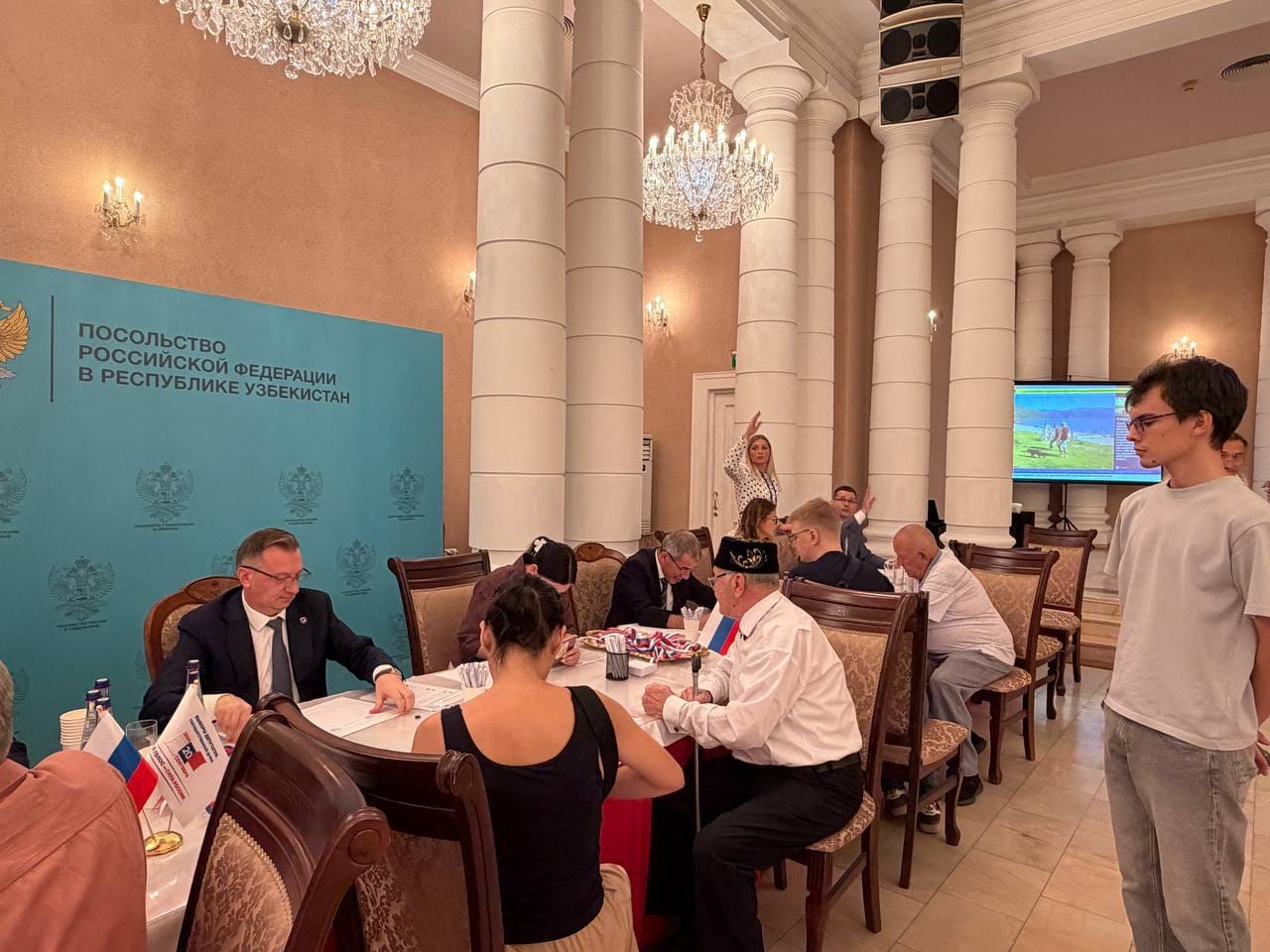
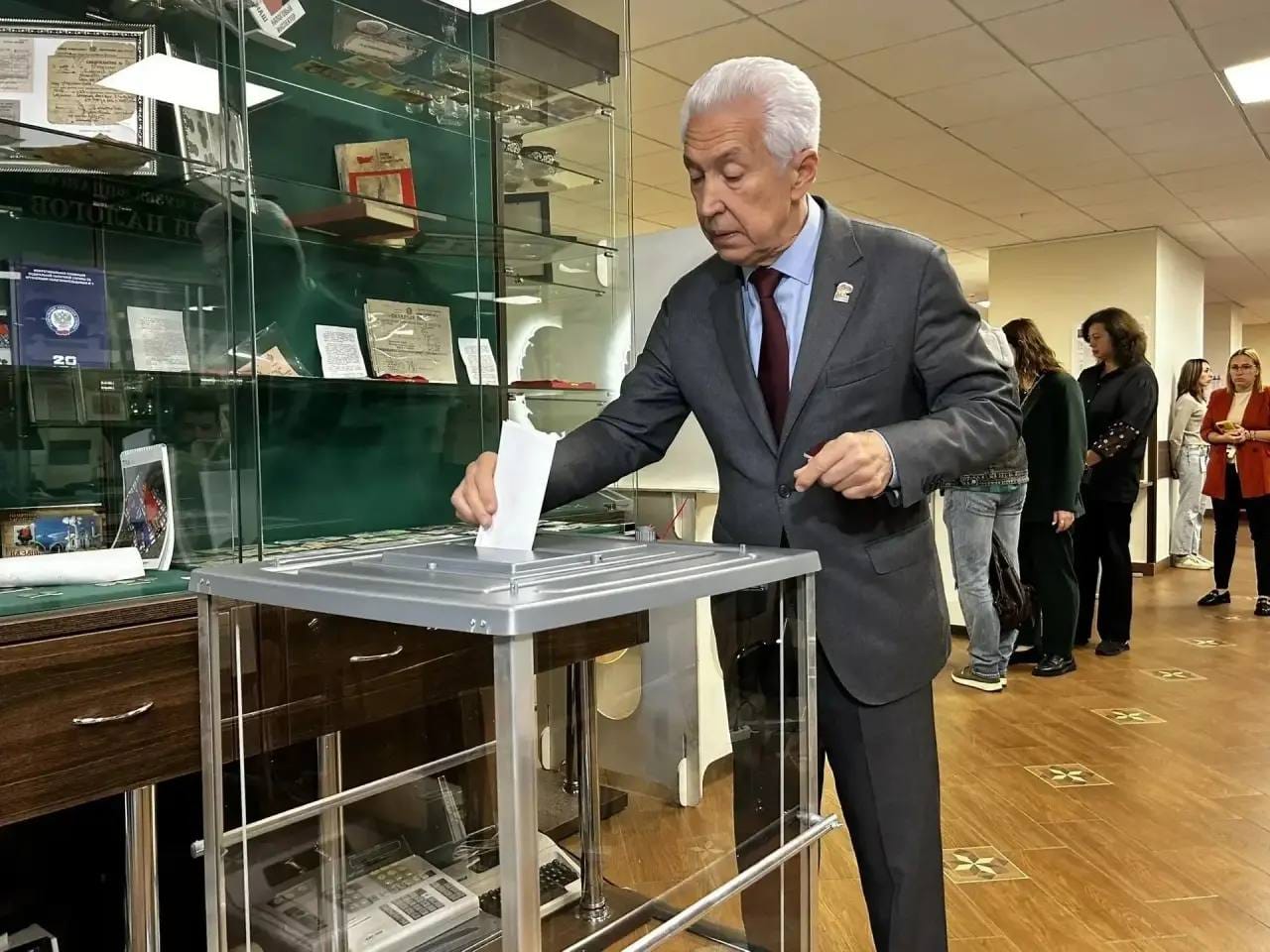
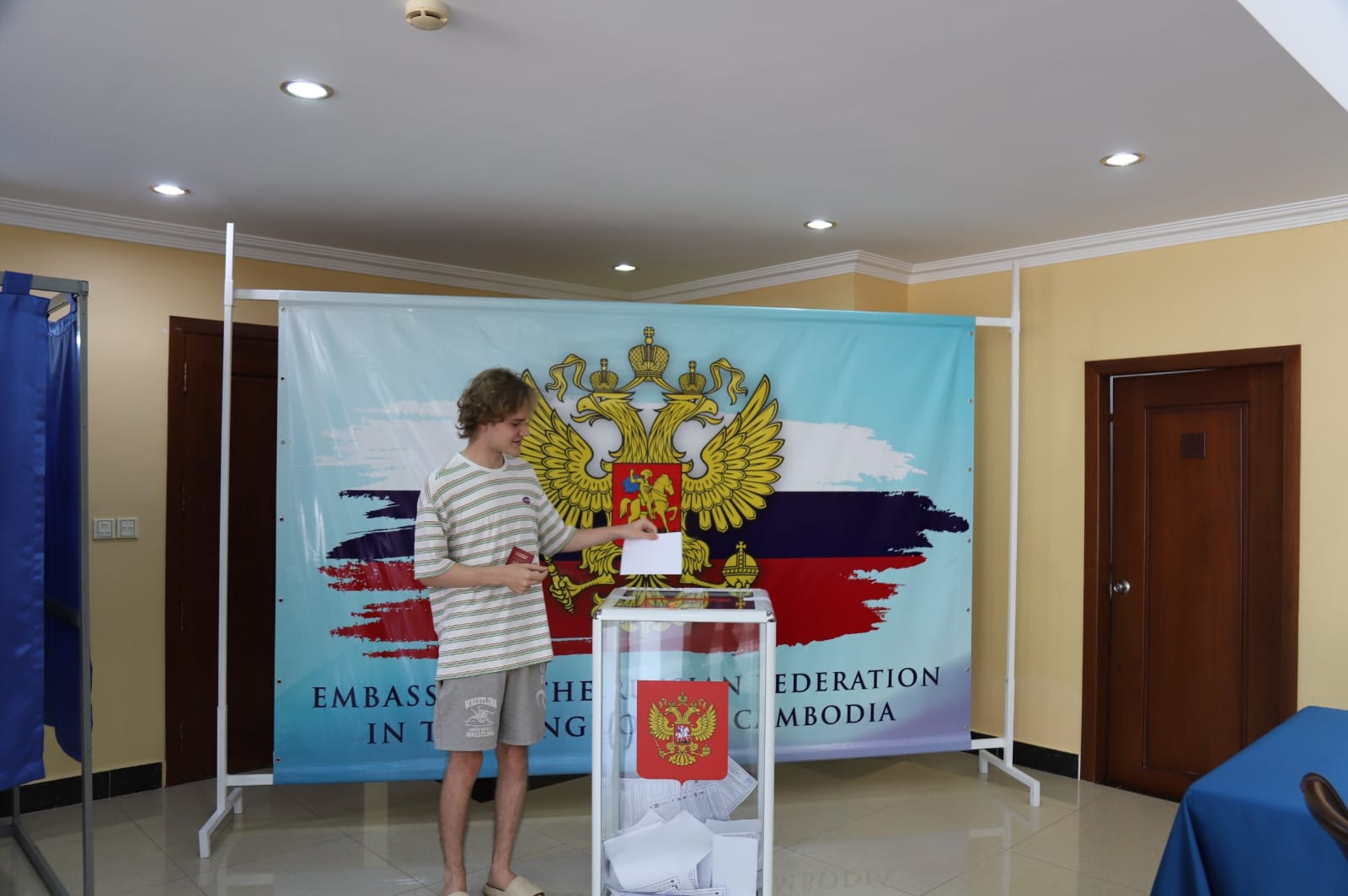
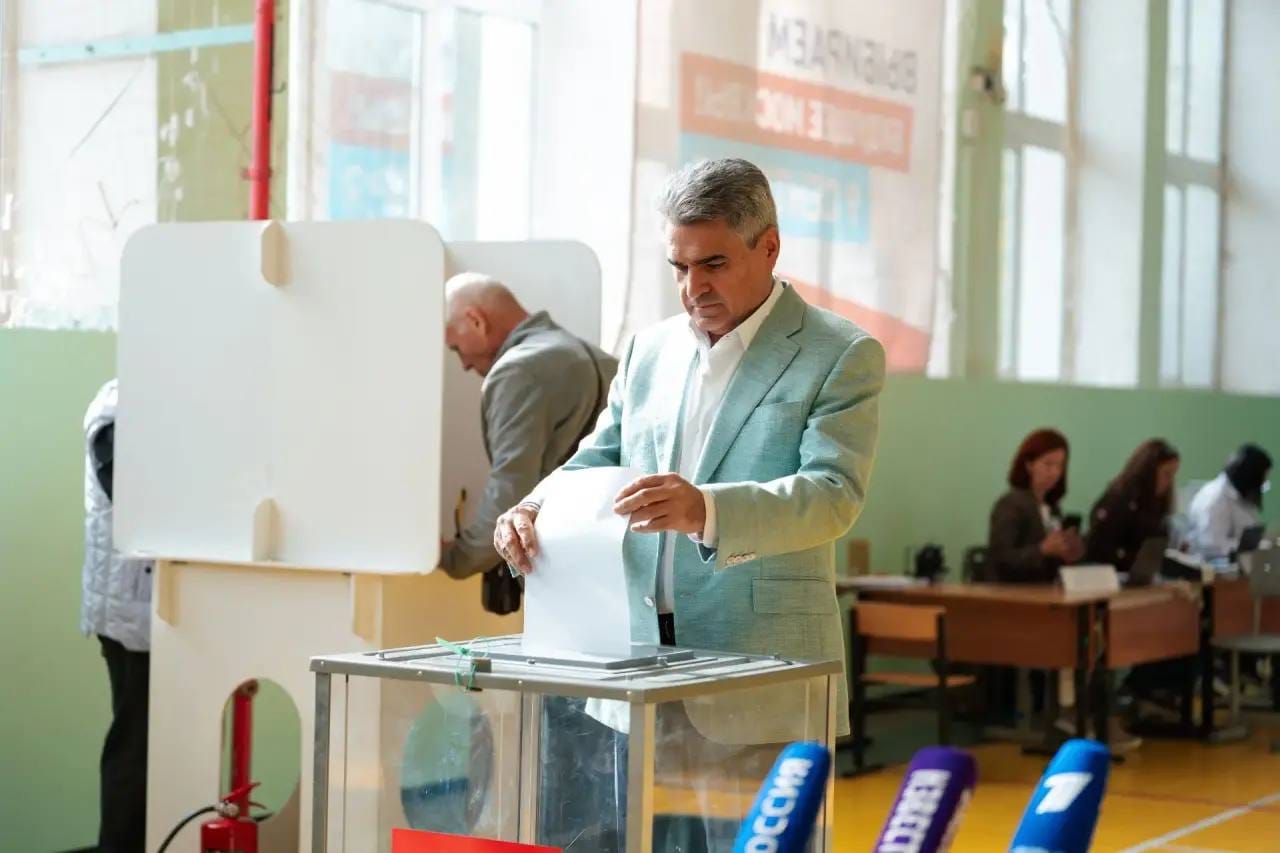
MOSCOW (Shahid Ghumman): Voting to elect a new State Duma, the lower house of Russia’s parliament, has entered its final stage. The three-day polling period began on September 18, with citizens also casting their ballots on September 19 and 20 to choose their representatives.
According to figures released by Russia’s Central Election Commission, turnout in the State Duma elections reached 50.46% as of 1:40 p.m. Moscow time on September 20. More than half of registered voters had therefore participated by that point. The figure reflects turnout during polling, with the final rate to be determined once complete data has been compiled.
Ten political parties are contesting the elections for the State Duma’s 450 seats. These include United Russia, the Communist Party of the Russian Federation, the Liberal Democratic Party of Russia, New People and A Just Russia – For Truth.
Alongside voting at polling stations, citizens have also used electronic voting facilities. Central Election Commission Chairwoman Ella Pamfilova said the number of people who had voted through various electronic methods exceeded six million by Sunday morning.
According to Russia’s Ministry of Digital Development, 3.4 million people had cast their ballots through the federal remote electronic voting platform by 9:55 a.m. This represented 85% of voters registered to use the service. The federal platform is being used in 32 regions.
In Moscow, more than 2.8 million people had voted online or through electronic terminals at polling stations by Sunday morning. The figures for Moscow and the federal platform form part of the overall electronic voting total.
Because Russia spans multiple time zones, polling concluded earlier in its eastern regions. According to TASS, all 178 polling stations in Kamchatka and 54 in Chukotka closed at 8 p.m. local time, after which election commissions began counting ballots.
At 6 p.m. local time, two hours before polling stations closed, turnout stood at 46.77% in Kamchatka and 57.78% in Chukotka.
Regarding election monitoring, Alexey Peskov, co-chairman of the Russian Civic Chamber’s coordinating council for public oversight of voting, said the electoral process was proceeding normally at most polling stations. He said that, as of Sunday morning, public observers had not recorded serious violations capable of affecting voters’ choices on a large scale.
Pamfilova said temporary disruptions caused by cyberattacks on Moscow’s electronic election system had been resolved and the affected terminals were operating normally.
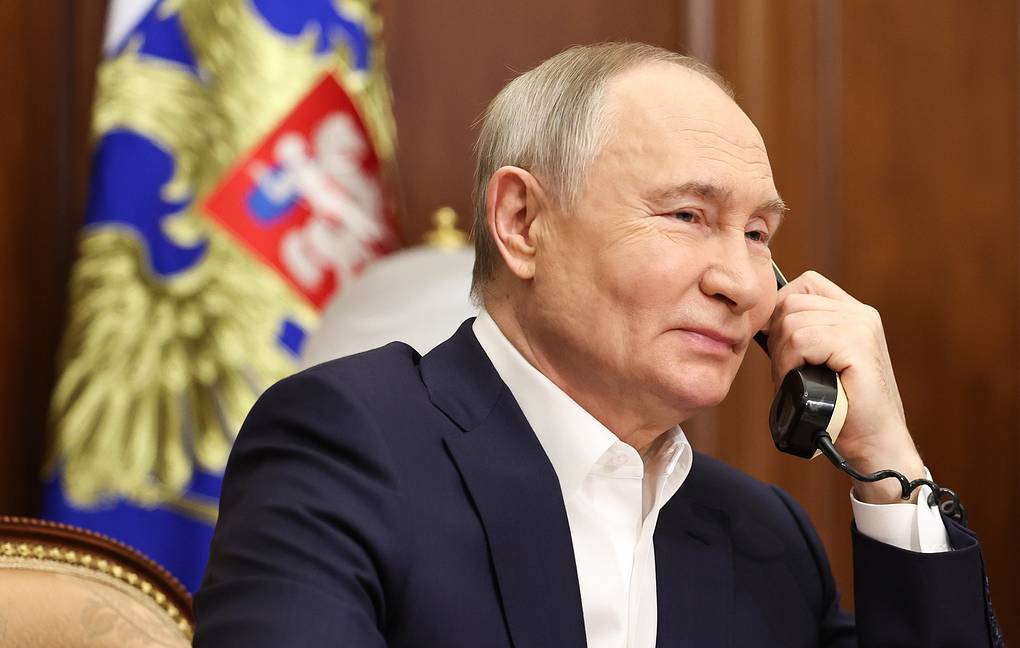
In an address to the nation before the elections, President Vladimir Putin urged citizens to exercise their constitutional right and make a considered choice. He said every vote mattered because citizens would determine which political forces represented their interests in the federal parliament and at regional and local levels.
The Russian president described electoral participation as a contribution to strengthening the country, saying the public’s choice would demonstrate the unity, responsibility and shared national values of Russian society.
Alongside the State Duma elections, voting is also taking place for legislative assemblies in 39 regions and for numerous regional and municipal positions. Leaders are being selected in 11 regions, with direct voting in eight and selection through regional legislatures in the remaining three.
Initial results are expected after 9 p.m. Moscow time, or 11 p.m. Pakistan time, once polling also concludes in Kaliningrad. As ballots are counted, the distribution of representation among political parties in the new State Duma will begin to emerge.
About The Author