Agreement on cooperation in oil and gas, LNG, industry, agriculture and local production of insulin, preparations to run a freight train from Pakistan to Russia soon, increase in the quota of Russian scholarships for Pakistani students, major progress in removing obstacles to financial transactions
MOSCOW (Shahid Ghumman): Pakistan and Russia have signed a five-year economic cooperation programme for 2026 to 2030, setting a target of raising bilateral trade to $5 billion by 2030. The joint feasibility study for a free trade agreement between Pakistan and the Eurasian Economic Union has also been completed, and the two countries have agreed to expand cooperation in a number of areas, including oil and gas exploration, LNG supplies, industrial development, local production of insulin, agriculture and railways.
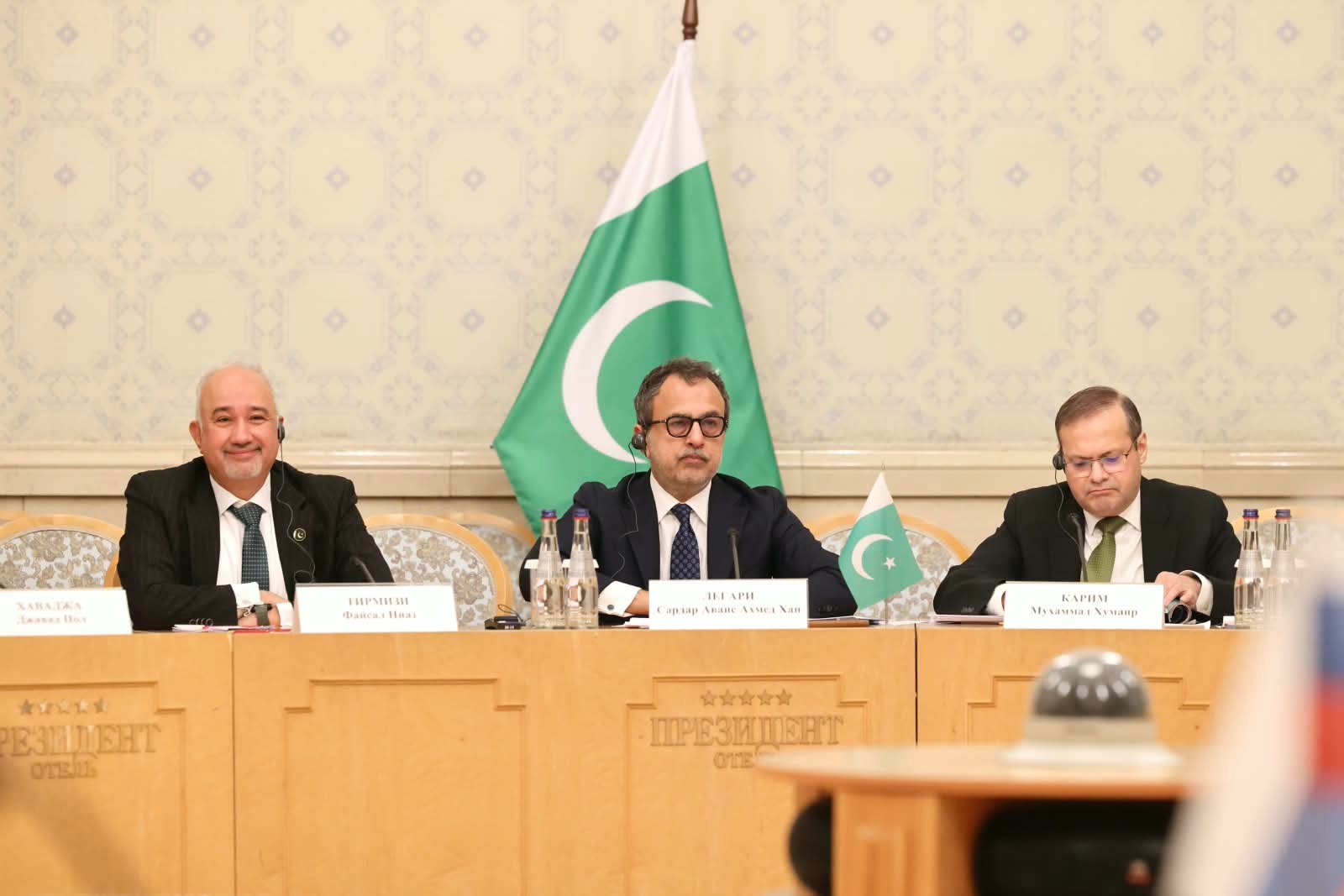
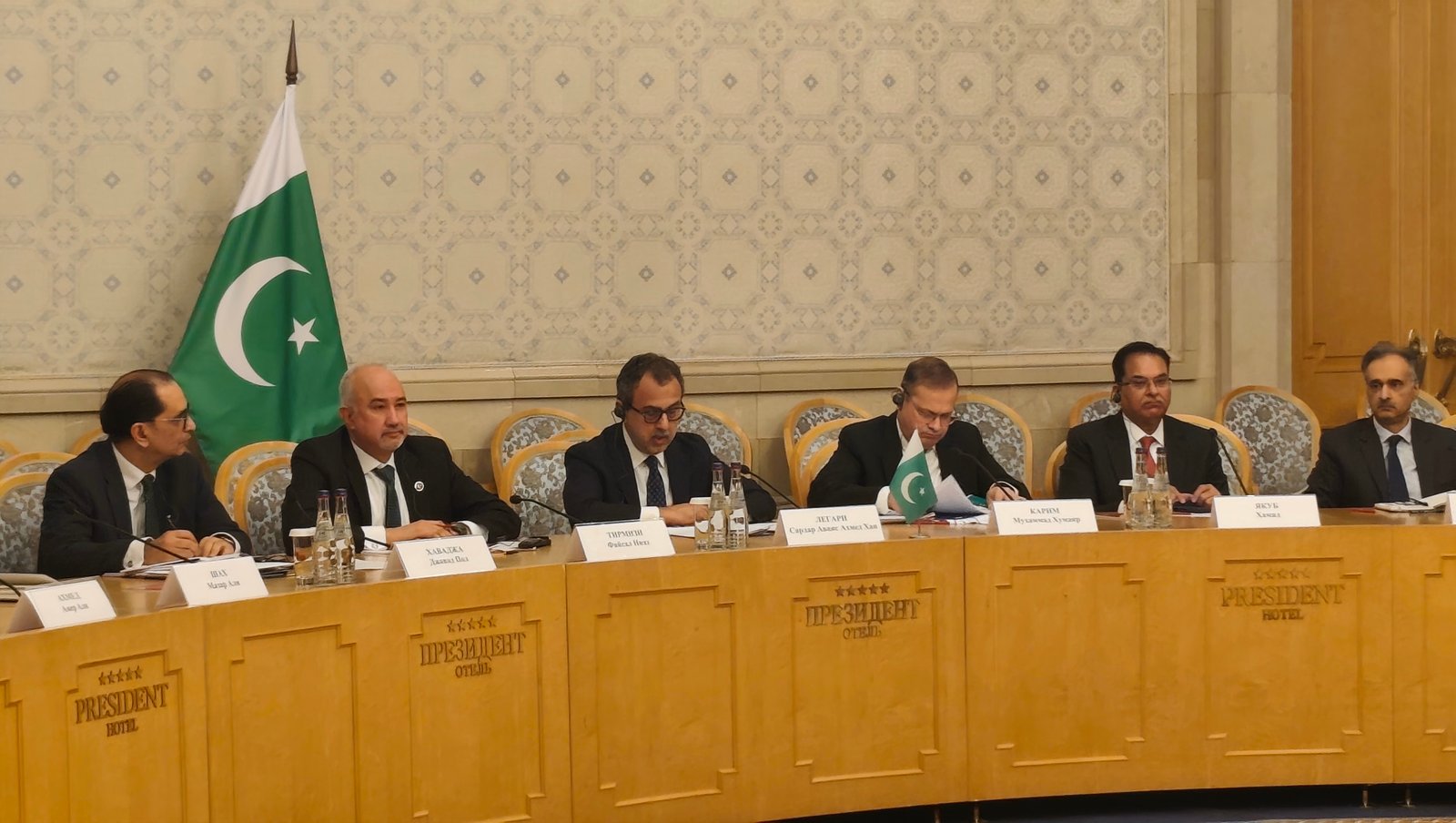
The 11th session of the Intergovernmental Commission on Trade, Economic, Scientific and Technical Cooperation between Pakistan and Russia concluded in the Russian capital, Moscow. The session was co-chaired by Pakistan’s Federal Minister for Energy, Sardar Awais Ahmed Khan Leghari, and Russia’s Minister of Energy, Sergey Tsivilyov.
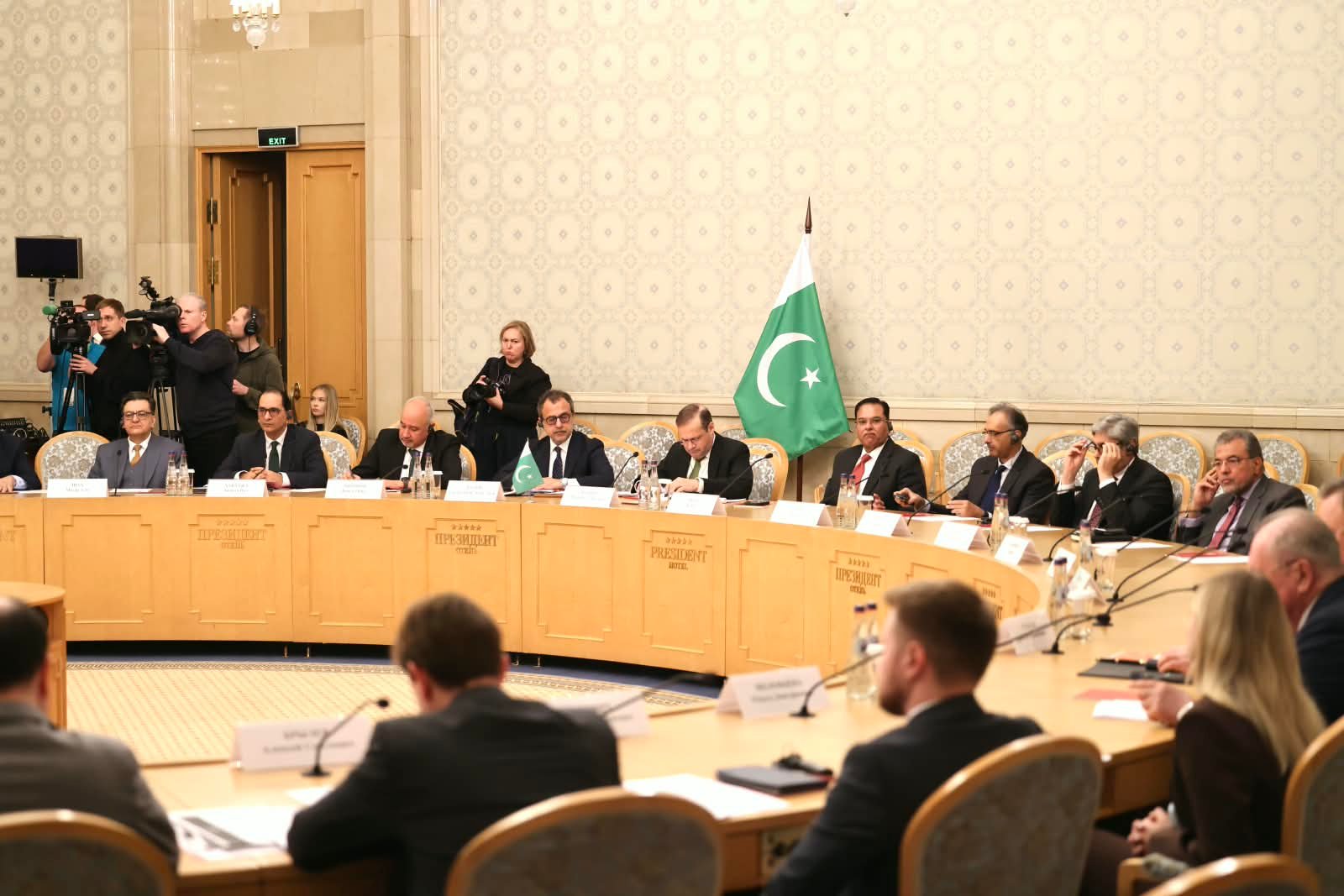
According to a detailed press release issued on 25 November, the protocol of the 11th session of the Intergovernmental Commission and the economic cooperation programme for 2026 to 2030 were signed at the conclusion of the session.
Free trade agreement and investment
Pakistan and Russia welcomed the completion of the joint feasibility study for a free trade agreement between Pakistan and the Eurasian Economic Union.
Pakistan’s Trade Development Authority and the Moscow Export Centre will promote direct contacts between the business communities of the two countries in priority sectors. The two countries also agreed to exchange information on incentives available for investment in their special economic zones.
Energy, oil and gas, and LNG
Cooperation in the energy sector was given special importance at the session. The two countries agreed to expand cooperation in oil and gas exploration, supplies of liquefied natural gas (LNG) and gas distribution.
Pakistan will inform Russian companies about investment opportunities available for oil and gas exploration in its onshore and offshore areas.
The two countries will also promote cooperation in energy efficiency standards and in low-energy cold storage facilities.
Industry, minerals and pharmaceuticals
In the industrial sector, the two countries identified opportunities for joint cooperation in metallurgy, heavy vehicles, agricultural machinery and mineral exploration.
In the health and pharmaceutical sectors, it was agreed to advance cooperation on the local production of insulin, clinical trials of medicines and simplifying the procedures for the registration of medicines.
Agriculture and food security
The two countries agreed to strengthen cooperation in livestock breeding, animal vaccines, fisheries, aquaculture and value addition in agricultural products, alongside increasing agricultural trade.
Freight train from Pakistan to Russia
Pakistan and Russia agreed to work towards running the first trial freight train from Pakistan to Russia soon, expanding cooperation in transport and logistics.
The two countries will also cooperate in developing railway infrastructure, professional training for Pakistan Railways officers, modern intelligent transport systems and modernising road infrastructure.
Increase in Russian scholarships for Pakistani students
The session also saw important progress in education, information technology and scientific cooperation.
The two countries agreed to speed up the approval process for three intergovernmental agreements on higher education, scientific and technical cooperation and the recognition of educational qualifications, and new partnerships between Pakistani and Russian universities will be encouraged.
Russia has also increased the quota of scholarships provided by the Russian government for Pakistani students.
New avenues for Russian investment will open, says Awais Leghari
Federal Minister for Energy Sardar Awais Ahmed Khan Leghari described the successful conclusion of the 11th session of the Pakistan-Russia Intergovernmental Commission as an important step in Pakistan’s efforts to diversify and expand its economic and energy partnerships.
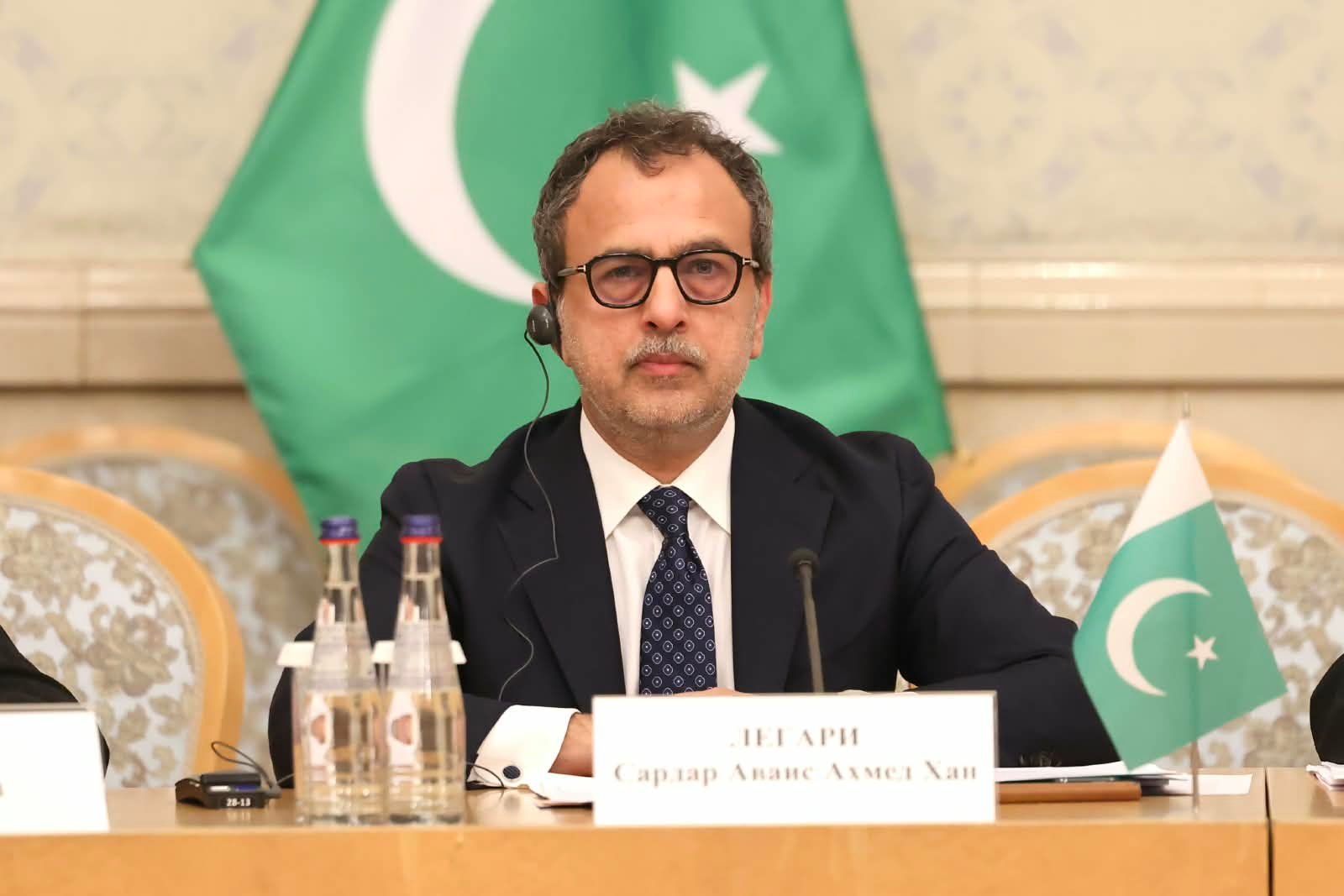
He said the economic cooperation programme for 2026 to 2030 will open new avenues for Russian investment in Pakistan, particularly creating new investment opportunities in energy, industry and agriculture, while Pakistani exporters will also get more opportunities.
Awais Leghari said converting bilateral cooperation into practical economic benefits, strengthening energy security, promoting industrial development and expanding regional connectivity are Pakistan’s priorities.
He reiterated that the Government of Pakistan is committed to promoting a partnership based on mutual interests that supports the country’s long-term economic development.
Major progress in removing obstacles to financial transactions
Addressing the session, the Special Assistant to the Prime Minister of Pakistan, Haroon Akhtar Khan, said major progress had been made on removing obstacles to financial transactions between Pakistan and Russia.
He said a financial system that is safe and workable for both countries is needed to advance trade, industrial cooperation, steel and other joint projects.
Haroon Akhtar Khan said that until the obstacles to financial transactions are removed, the pace of bilateral economic and trade cooperation will remain slow, but important progress was made on this issue in the meeting with the Russian officials.
He said Prime Minister Shehbaz Sharif firmly believes that bilateral trade between Pakistan and Russia can be doubled, even quadrupled, in the short term, and that the two countries have ample potential for this.
Haroon Akhtar Khan said a roadmap has been prepared to resolve the financial issues, the timeframe for completing the measures has also been set, and work on it began immediately after the meeting.
Four possible methods for financial transactions selected, says Imdadullah Bosal
Pakistan’s Federal Finance Secretary, Imdadullah Bosal, addressing the session, said negotiations had been under way over the past three to four months on various methods and proposals for financial transactions between Pakistan and Russia.
He said that after reviewing various proposals in negotiations held two days earlier, four possible options had been selected, on which further work will be done in the coming days.
Imdadullah Bosal said the central bank will give its response on the relevant proposals in the coming days, while the authorities concerned of both countries will work on the other options through close cooperation.
He expressed hope that a sustainable and workable mechanism for financial transactions between Pakistan and Russia will be finalised in the coming weeks.
Priorities of financial proposals determined, says Jameel Ahmad
Governor of the State Bank of Pakistan Jameel Ahmad, addressing the session, said that after reviewing the various proposals under consideration for financial transactions between Pakistan and Russia, their priorities had been determined.
He said work will be done on the first priority option, after which the other options will also be taken forward. After further contacts with the relevant authorities in the coming days, this process will be moved forward swiftly.
Addressing the session, the Deputy Minister for Economic Affairs said the matter of resolving the issue under discussion had also been included in the protocol of the Intergovernmental Commission. The two countries have agreed to continue negotiations to find a mutually acceptable solution.
He expressed hope that the issue will be resolved in the current positive atmosphere and spirit of mutual understanding between Pakistan and Russia.
Culture, tourism and people-to-people contacts
The Intergovernmental Commission also agreed to further strengthen cooperation in disaster management, culture, tourism and sports. The two countries stressed the importance of people-to-people contacts for the stability of bilateral relations.
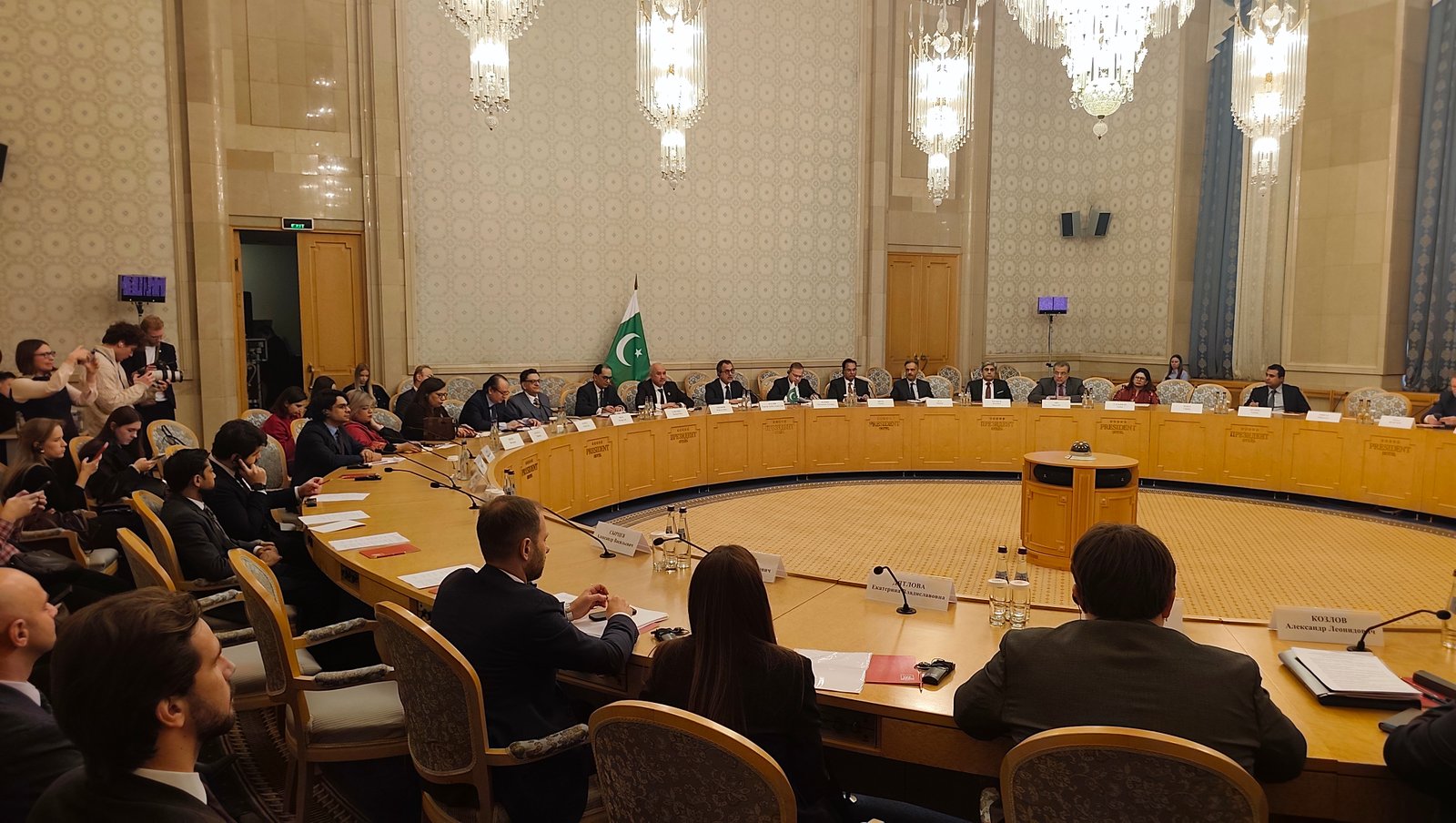
The energy ministers of Pakistan and Russia expressed satisfaction with the outcomes of the session and reaffirmed their commitment to the effective implementation of the agreed measures.
According to the declaration, the signing of the economic cooperation programme for 2026 to 2030 is an important step towards placing long-term economic cooperation between the two countries on an institutional footing and converting the vast potential in bilateral relations into practical and mutually beneficial results.
It was also agreed at the session that the 12th session of the Pakistan-Russia Intergovernmental Commission will be held in Pakistan in 2027.
About The Author