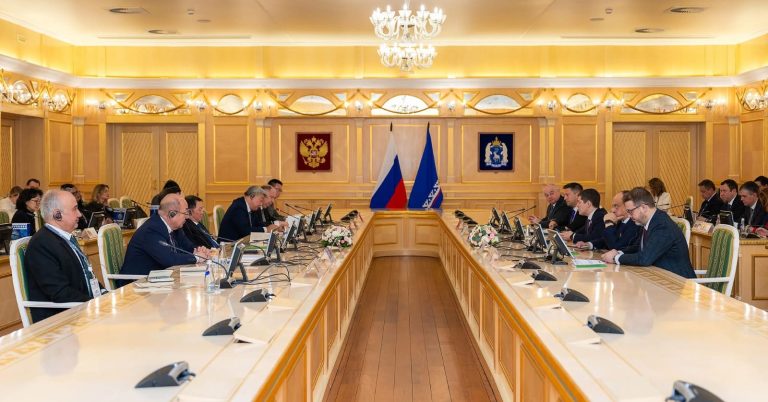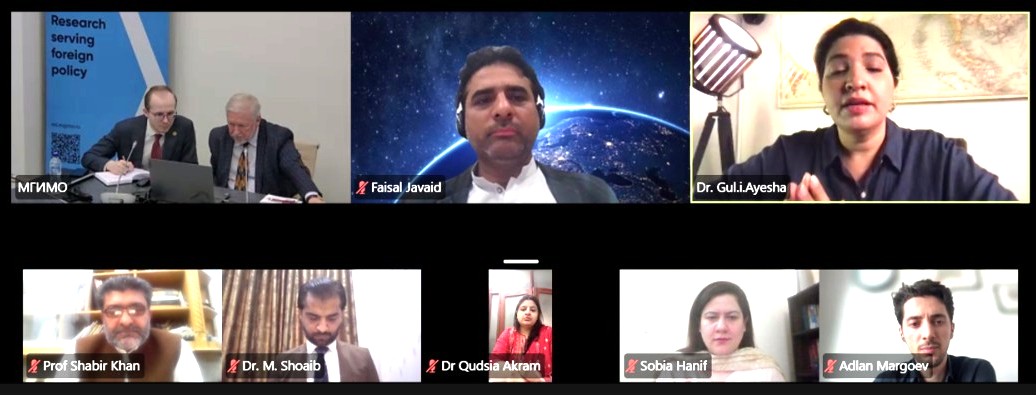
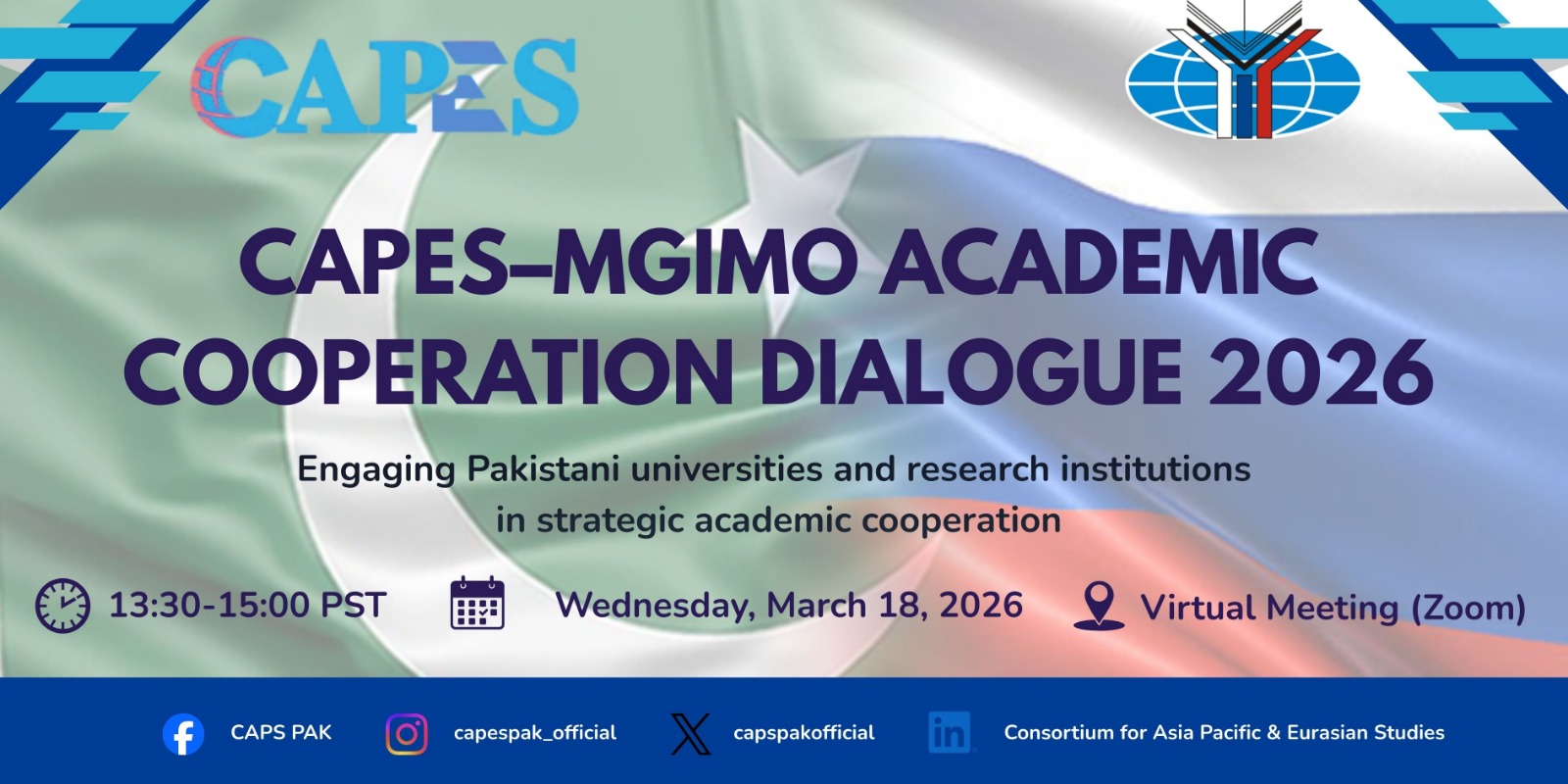
Moscow (Voice Of Russia): In a significant development aimed at strengthening academic and research ties, the Consortium for Asia Pacific & Eurasian Studies (CAPES), in collaboration with MGIMO University, Russia, organized a comprehensive virtual consultative dialogue with representatives from more than 20 leading Pakistani universities and research institutions.
The session focused on exploring new avenues of cooperation and enhancing existing academic linkages between Pakistan and Russia.
At the outset, Prof. Dr. Alexander Nikitin, Director of the Institute for International Studies at MGIMO University, briefed participants on the university’s academic programs, research initiatives, and international outreach. He particularly highlighted the “Inter-Russia” Fellowship Program, inviting Pakistani students, researchers, and professionals to take advantage of this platform to further strengthen bilateral academic engagement.
Following this, Dr. Gul-i-Ayesha Bhatti, Director of the Eurasia Chapter at CAPES, outlined the organization’s role and ongoing efforts in promoting Pakistan-Russia academic cooperation. She emphasized the importance of sustained institutional collaboration to build long-term partnerships.
The dialogue then transitioned into an interactive and constructive exchange, where representatives from Pakistani institutions shared their perspectives and recommendations. Key areas discussed included joint research projects, academic exchange programs, and opportunities for collaborative publications in international journals.
Notable participants included Dr. Shabbir Ahmed Khan (Area Study Center, University of Peshawar), Dr. Sarwat Rauf (Head of Department, International Relations, NUML), Dr. Usman Askari (Chair, Department of Politics and International Relations, UMT Lahore), and Dr. Sobia Hanif (Assistant Professor, Fatima Jinnah Women University), among others.
The session was moderated by Dr. Faisal Javaid, Senior Vice President of CAPES, who facilitated a dynamic discussion that led to the identification of key areas for future collaboration.
Experts believe that such initiatives not only promote academic excellence but also contribute to building stronger strategic and people-to-people ties between Pakistan and Russia.
About The Author