The Kremlin’s reaction after the Abu Dhabi talks was cautiously positive; we will not make any statement that obstructs the talks or creates a wrong impression, Russian Foreign Minister says
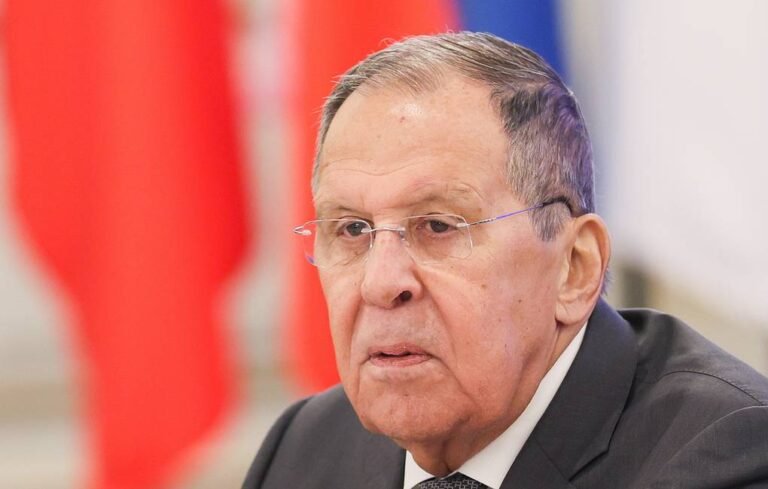
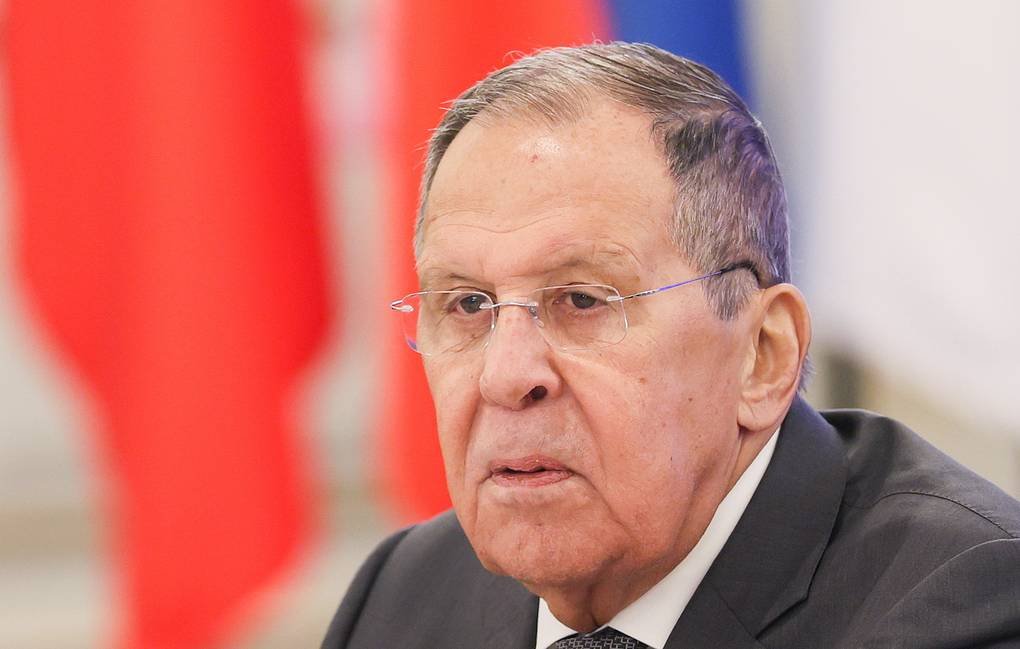
MANILA (Voice of Russia): Russian Foreign Minister Sergei Lavrov has said that the trilateral talks between Russia, the United States and Ukraine to resolve the Ukraine conflict will definitely continue. He made it clear that Russia will not make any statement about the negotiation process for now that could create a wrong impression or obstruct open dialogue.
Speaking to journalists in Manila, the capital of the Philippines, Russian Foreign Minister Sergei Lavrov said that the Russian negotiators who met US and Ukrainian representatives in Abu Dhabi have briefed President Vladimir Putin on the details of the talks.
Sergei Lavrov said the comments from the Kremlin after the Abu Dhabi talks were cautiously positive.
He said Russia will not make any statement for now that creates a wrong impression about the real state of the negotiations or affects the ongoing open dialogue.
The Russian foreign minister made it clear that the series of trilateral talks between Russia, the United States and Ukraine will definitely continue.
The issue of returning NATO’s military infrastructure to its 1997 position
Journalists asked Sergei Lavrov whether Russia’s demand to return NATO’s military infrastructure to its 1997 position still stands.
In response, the Russian foreign minister said, “You are trying to learn secret matters.”
He said that in 1997, when the Founding Act between Russia and NATO was signed and the Russia-NATO Council was established, Russia saw it as a good opportunity, indeed a necessity, to stop NATO’s eastward expansion.
Sergei Lavrov said the Russia-NATO Founding Act contained assurances of mutual friendship and declarations stating that Russia and NATO are not adversaries of each other and pose no threat to each other.
He said those assurances were presented in very beautiful and solemn words.
NATO created a distinction between political promises and legal guarantees, Lavrov
The Russian foreign minister said that much time has passed since that agreement, and Russia once again tested NATO’s ability to abide by agreements.
According to Sergei Lavrov, NATO later began to take the position that the promises made to Russia were political in nature, while legally binding security guarantees could only be provided to NATO member states.
He said that in this way NATO created an incentive to attract new countries toward its membership, including former Soviet states.
According to the Russian foreign minister, this conduct by NATO raised questions about the nature of past promises made to Russia and security-related assurances.
About The Author